
TIMING – The ABC’s of JuniorGym
Written by
T is for Timing
Great movement isn’t just about what we do—it’s also about when we do it.
Timing is the ability to coordinate movements at the right moment. Whether it’s jumping at the right time, catching a ball or landing after a bounce, timing allows children to move smoothly and confidently.
As children grow, they learn to coordinate their body with what they see, hear and feel. These experiences strengthen the connection between the brain and body, helping children respond more efficiently during movement.
That’s why timing is an important part of Junior Gym and preschool gymnastics, supporting both physical literacy and sports readiness.


Why Timing Matters
Developing timing supports children across many aspects of movement and learning.
Improves coordination
Good timing allows different parts of the body to work together smoothly and efficiently.
Develops rhythm
Learning to move in time helps children perform movement sequences and participate in games and activities.
Supports sports performance
Whether catching a ball, kicking, jumping or changing direction, timing is a fundamental skill in almost every sport.
Strengthens brain-body connections
Timing requires children to process information, make decisions and respond with coordinated movement.
How We Build Timing in Junior Gym
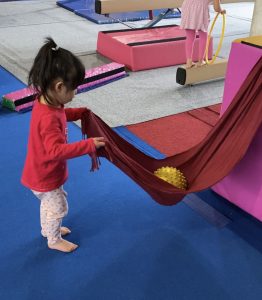
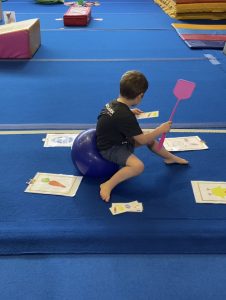
In Junior Gym, timing is developed through playful activities that encourage children to move at the right moment.
Jump timing on trampolines
Children learn to coordinate their body with the rhythm of the trampoline, helping them develop controlled bouncing and safe landings.
Rhythmic movement activities
Music, clapping games and repeated movement patterns help children develop rhythm and timing.
Sequencing activities
Children practise completing movement sequences in the correct order and at the appropriate pace.
Coach-guided challenges
Listening for cues and responding at the right moment helps children improve both reaction time and movement timing.
Through these experiences, children learn to move with rhythm, coordination and confidence, preparing them for gymnastics, other sports and everyday play.
The ABC’s of Junior Gym
This article is part of our ABC’s of Junior Gym series, where we explore the many ways movement supports your child’s development.
Each post focuses on a different skill or concept that children develop through Junior Gym and preschool gymnastics, helping to build:
- strong bodies
- confident movers
- active minds
- positive social skills
From Awareness and Balance to Confidence, Coordination and more, every letter highlights how movement supports whole-child development and school readiness.
Explore the other articles in the series:
- A is for Awareness
- B is for Balance
- C is for Coordination
- D is for Direction
- E is for Exploration & Effort
- F is for Focus
- G is for Growth Mindset
- H is for Hanging
- I if for Independence
- J is for Jumping
- K is for Kinesthetic Sense
- L is for Landing
- M is for Making Friends
- N is for Navigation
- O is for Overcoming Obstacles
- P is for Posture
- Q is for Quick Reactions
- R is for Rotation
- S is for Stability
Because when children learn to move well, they gain the confidence to explore, learn and grow.

