
POSTURE – The ABC’s of JuniorGym
Written by
P is for Posture
Posture is something we use every day, often without even thinking about it.
Posture is how we hold our body while sitting, standing and moving. Good posture allows children to move efficiently, stay comfortable during activities and develop the strong foundations needed for learning and everyday tasks.
In early childhood, posture is still developing. Strong posture doesn’t come from constantly reminding children to “sit up straight”—it develops through movement experiences that build strength, stability and body awareness.
That’s why posture is an important focus in Junior Gym and preschool gymnastics programs, helping children develop the physical foundations they need for school, sport and everyday life.
Why Posture Matters
Developing good posture supports children in many areas of growth and development.
Writing readiness
Strong posture provides a stable foundation for fine motor skills. When children can sit comfortably and maintain an upright position, they are better able to focus on activities like drawing, writing and using classroom tools.
Breathing and energy levels
Good posture helps children breathe more efficiently by allowing the lungs and chest to move freely. This can support concentration, energy and participation in activities.
Core strength and stability
Posture relies on strong muscles throughout the core, back and shoulders. Developing these muscles helps children move with greater control and confidence.
Confidence in movement
Children who feel strong and stable are often more confident participating in physical activities, sports and everyday challenges.
How We Build Posture in Junior Gym
In Junior Gym, posture is developed through movement experiences that strengthen the body while keeping learning fun and engaging.
Core exercises
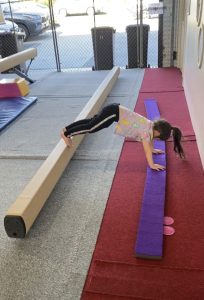
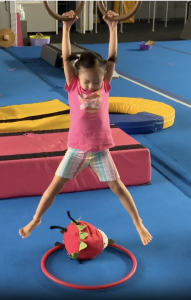
Activities that involve climbing, balancing, hanging and supporting body weight help strengthen the muscles that support good posture.
Shape holds
Gymnastics shapes encourage children to activate their core muscles and become aware of how their body is positioned.
Balancing activities
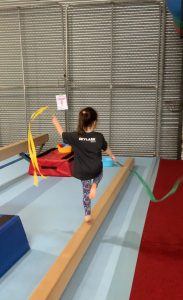
Balance challenges require children to maintain alignment and stability, helping them develop strong postural control.
Whole-body movement
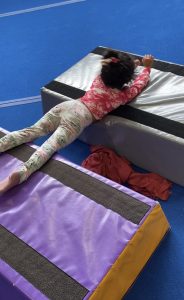
Crawling, rolling, climbing and navigating obstacle courses all contribute to the strength and body awareness needed for healthy posture.
Through these experiences, children develop the strength and control needed to sit taller, move more efficiently and participate confidently in learning and play.
Strong Bodies Support Learning
One of the most important things to remember is that posture isn’t just about standing up straight.
It’s about building a body that feels strong, stable and ready for whatever comes next—whether that’s climbing a ladder, joining a sports team, sitting in a classroom or learning to write.
By developing posture through movement, children gain skills that support them both inside and outside the gym.
The ABC’s of Junior Gym
This article is part of our ABC’s of Junior Gym series, where we explore the many ways movement supports your child’s development.
Each post focuses on a different skill or concept that children develop through Junior Gym and preschool gymnastics, helping to build:
- strong bodies
- confident movers
- active minds
- positive social skills
From Awareness and Balance to Confidence, Coordination and more, every letter highlights how movement supports whole-child development and school readiness.
Explore the other articles in the series:
- A is for Awareness
- B is for Balance
- C is for Coordination
- D is for Direction
- E is for Exploration & Effort
- F is for Focus
- G is for Growth Mindset
- H is for Hanging
- I if for Independence
- J is for Jumping
- K is for Kinesthetic Sense
- L is for Landing
- M is for Making Friends
- N is for Navigation
Because when children learn to move well, they gain the confidence to explore, learn and grow.

