
EXPLORATION & EFFORT – The ABC’s of JuniorGym
Written by
E is for Exploration and Effort
In early childhood, some of the most important learning doesn’t come from being told what to do — it comes from trying, exploring and having a go.
That’s why in Junior Gym, we place a strong focus on both Exploration and Effort. Together, they help children build confidence, creativity and a lifelong love of movement.
E is for Exploration
Exploration is learning through curiosity and trying new movements.
For young children, movement is one of the primary ways they discover how their body works and how they interact with the world around them. When children are given opportunities to explore, they begin to test ideas, solve problems and develop confidence in their abilities.
In Junior Gym and preschool gymnastics, exploration is an essential part of how children learn.
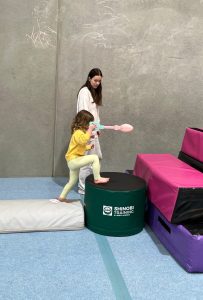
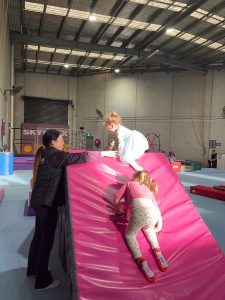
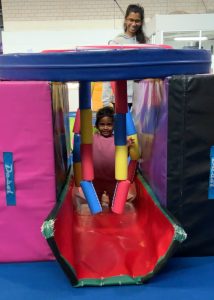
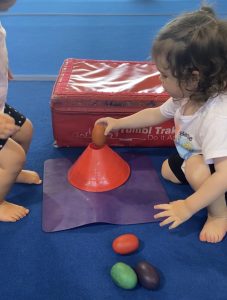
Why Exploration Matters
Confidence to try
When children are encouraged to explore, they feel safe to try new movements without fear of getting it “wrong.”
Creativity and imagination
Exploration allows children to move in different ways, creating their own pathways and ideas during activities.
Problem solving
As children navigate equipment and challenges, they learn to make decisions, adjust their movements and find solutions.
How We Build Exploration in Junior Gym
In Junior Gym, exploration is built into every class through structured but flexible activities.
Open-ended movement stations
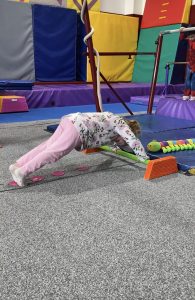
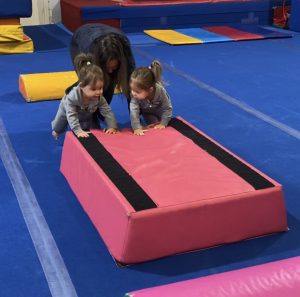
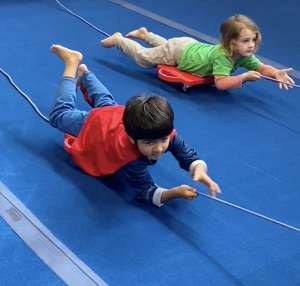
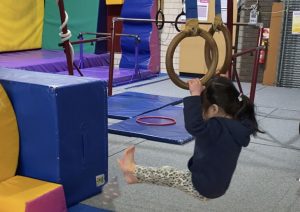
Children are encouraged to move through equipment in different ways, discovering what their body can do.
Imaginative themed circuits
Our themed setups (like jungle adventures or obstacle missions) invite children to explore movement in fun and engaging ways.
Opportunities for choice
Children are given moments within activities to make decisions about how they move, building independence and confidence.
Through these experiences, children learn to trust their body, take initiative and enjoy movement.
E is for Effort
While exploration encourages children to try, effort is what helps them grow.
Effort is the willingness to keep trying, even when something feels challenging.
In early childhood, learning new skills takes time, repetition and persistence. When children understand that effort matters more than getting things “perfect,” they begin to develop resilience and a positive attitude toward learning.
Why Effort Matters
Builds resilience
Children learn that it’s okay if something feels hard at first — what matters is continuing to try.
Encourages a growth mindset
Effort helps children understand that skills improve with practice, not just natural ability.
Develops confidence
When children see their own progress, they feel proud of what they can achieve.
Supports learning and development
Repeated effort strengthens both physical skills and brain connections.
How We Build Effort in Junior Gym
At Junior Gym, effort is encouraged and celebrated in every class.
Positive coaching and encouragement
Our coaches focus on praising effort, not just outcomes, helping children feel proud of trying.
Achievable challenges
Activities are designed to be just the right level of challenge, so children experience success while still needing to try.
Repetition and practice
Children revisit skills regularly, allowing them to see their own improvement over time.
A safe, supportive environment
Children feel comfortable to try again, even if something doesn’t work the first time.
These experiences help children develop a “have-a-go” attitude that supports not only movement, but learning, school readiness and everyday challenges.
The ABC’s of Junior Gym
This article is part of our ABC’s of Junior Gym series, where we explore the many ways movement supports your child’s development.
Each post focuses on a different skill or concept that children develop through Junior Gym and preschool gymnastics, helping to build:
- strong bodies
- confident movers
- active minds
- positive social skills
From Awareness and Balance to Confidence, Coordination and more, every letter highlights how movement supports whole-child development and school readiness.
Explore the other articles in the series:
Because when children learn to move well, they gain the confidence to explore, learn and grow.

