
QUICK REACTIONS – The ABC’s of JuniorGym
Written by
Q is for Quick Reactions
Every day, children are constantly responding to the world around them.
Whether it’s catching a ball, changing direction during a game, avoiding an obstacle on the playground or responding when their name is called, these moments all rely on quick reactions.
Quick reactions are the ability to respond quickly and appropriately to information from the environment. They require the brain and body to work together to recognise a cue, make a decision and perform a movement.
In early childhood, reaction skills are still developing. Through movement experiences, children learn how to process information, respond to changing situations and move with greater speed and confidence.
That’s why activities that develop quick reactions are an important part of Junior Gym and preschool gymnastics programs.

Why Quick Reactions Matters
Developing quick reactions supports children in movement, sport and everyday life.
Improves agility
Quick reactions help children change direction, adjust their movements and respond effectively to new situations.
Builds reaction time
Children learn to recognise cues and respond more efficiently, strengthening the connection between the brain and body.
Supports sports readiness
Almost every sport requires children to react to people, equipment or changing situations. Developing these skills early provides a strong foundation for future participation.
Improves confidence
Children who can react quickly and control their movements often feel more confident participating in games, playground activities and sports.
How We Build Quick Reactions in Junior Gym
In Junior Gym, children develop reaction skills through fun, engaging activities that encourage them to think and move quickly.
Movement games
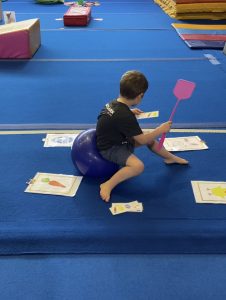
Games that involve listening and responding to cues help children practise reacting with their body.
Chasing games
Children learn to change direction, adjust their speed and respond to others around them.
Reaction-based activities
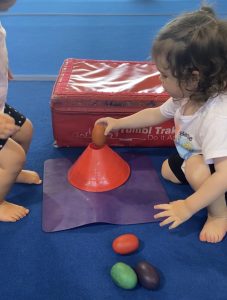
Coaches use visual, verbal and movement cues that encourage children to process information and react appropriately.
Obstacle challenges
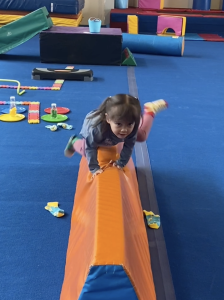
Changing pathways and unexpected movement tasks help children learn to adapt and make quick decisions.
Through these experiences, children develop the ability to think, react and move confidently, building skills that support both sport and everyday life.
Fast Bodies, Active Minds
Quick reactions are about more than simply moving fast.
They involve attention, decision-making, coordination and body control. Every time a child responds to a cue, catches an object or changes direction, they are strengthening the important connection between their brain and body.
These skills help children become more capable movers, more confident participants and better prepared for the physical challenges they’ll encounter as they grow.
The ABC’s of Junior Gym
This article is part of our ABC’s of Junior Gym series, where we explore the many ways movement supports your child’s development.
Each post focuses on a different skill or concept that children develop through Junior Gym and preschool gymnastics, helping to build:
- strong bodies
- confident movers
- active minds
- positive social skills
From Awareness and Balance to Confidence, Coordination and more, every letter highlights how movement supports whole-child development and school readiness.
Explore the other articles in the series:
- A is for Awareness
- B is for Balance
- C is for Coordination
- D is for Direction
- E is for Exploration & Effort
- F is for Focus
- G is for Growth Mindset
- H is for Hanging
- I if for Independence
- J is for Jumping
- K is for Kinesthetic Sense
- L is for Landing
- M is for Making Friends
- N is for Navigation
- O is for Overcoming Obstacles
- P is for Posture
Because when children learn to move well, they gain the confidence to explore, learn and grow.

