When it comes to gymnastics, what you wear matters more than you might think! The right attire isn’t just about looking great (although a sparkly leotard is always a win!); it’s about comfort, confidence, and performance.
Hi, I’m Jasmine, the proud owner of Skylark Sports, where we help gymnasts of all levels—whether they’re tiny tumblers or elite competitors—find their strength and skills in a fun, supportive environment. One of the most common questions we get from parents and new gymnasts is, “What should I wear?” And that’s a fantastic question! Gymnastics attire is designed to help athletes move freely, stay safe, and feel their best, whether they’re in training or competing under bright lights.
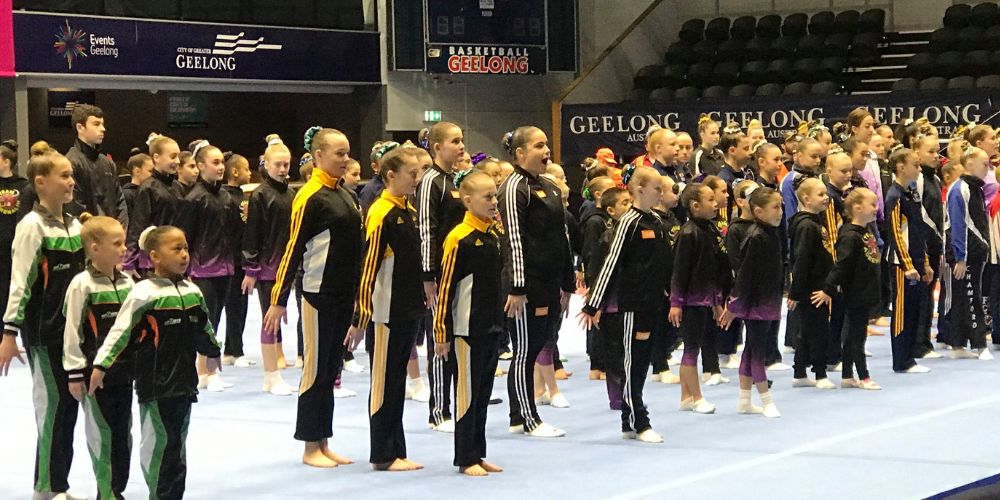
Gymnastics Attire for Training
What you wear when you step into the gym can make a big difference in how you move, feel, and perform. The right training gear should be comfortable, flexible, and safe so you can focus on perfecting your skills without distractions. Let’s go over the best options for training attire!
Leotards
If you’ve ever watched gymnastics, you’ve probably noticed that most female gymnasts wear leotards—and for good reason! Leotards fit snugly, allowing you to move freely without worrying about your clothing getting in the way.
- Sleeveless leotards are great for training because they keep you cool and let your arms move without restriction.
- Long-sleeved leotards offer extra coverage, which some gymnasts prefer, especially in cooler weather.
The most important thing? Your leotard should fit just right—not too loose, not too tight—so you can move confidently.
Shorts and Leggings
Want a little extra coverage? Many gymnasts wear fitted shorts or leggings over their leotards.
- Shorts give you the freedom to move while adding comfort.
- Leggings are a great option if you want a bit more warmth or coverage, especially during warm-ups.
Some gyms have rules about wearing shorts in training, so it’s always a good idea to check what’s allowed!
T-Shirts and Tank Tops
If you’re new to gymnastics or just doing it for fun, wear a fitted T-shirt or tank top with shorts or leggings instead of a leotard.
- Fitted tops are best because they let your coach see your body alignment and technique.
- Loose tops can flip over your head when you’re upside down—not ideal!
Men’s Training Attire
For male gymnasts, training gear is all about support and flexibility.
- Compression shirts or fitted tank tops work well because they don’t shift around.
- Gymnastics shorts are the go-to for training, though some gymnasts wear longer compression shorts for extra support.
Footwear
Most gymnasts train barefoot, which helps with grip and stability. But in some cases, you might wear:
- Grips – These are worn on your hands when training on bars to help with grip and prevent blisters.
- Socks or soft gymnastics shoes – These are used in disciplines like rhythmic gymnastics and trampoline gymnastics, where smoother movement is needed.
No matter what you wear, the key is to choose clothing that lets you move freely and feel confident. Now, let’s talk about what to wear when it’s time to compete!

Gymnastics Competition Attire
When competition day arrives, what you wear isn’t just about looking great—it’s about meeting regulations, feeling confident, and performing at your best. Competition attire is a little different from training wear, with stricter rules on fit, fabric, and accessories. Let’s break it all down!
Women’s Competition Leotards
Unlike training leotards, competition leotards often have long sleeves and extra design details to make gymnasts stand out.
- Long-sleeved leotards are the standard for high-level competitions because they create a polished look and can even help with aerodynamics during routines.
- Sleeveless leotards are sometimes allowed in lower-level competitions or team events.
Competition leotards are made from spandex, mesh, or velvet, and many feature crystals, sequins, and intricate designs for extra sparkle. No matter the style, the rules require that leotards fit properly—not too loose, not too revealing, and covering all necessary areas.
Men’s Competition Attire
Male gymnasts wear a singlet (unitard) with compression shorts or competition pants, depending on the event.
- Singlets are fitted tops that stay in place during flips and twists.
- Compression shorts are worn for floor, vault, and some apparatus events.
- Competition pants (or “longs”) are used for pommel horses, parallel bars, and rings, where extra leg coverage helps with grip and aesthetics.
Undergarments and Support
Gymnasts need discreet and supportive undergarments that stay hidden under their uniforms.
- For female gymnasts, sports bras and seamless underwear ensure comfort without showing through the leotard.
- Male gymnasts wear supportive compression shorts to prevent discomfort during routines.
Coaches and gymnasts check their attire before stepping onto the competition floor to avoid deductions for visible undergarments.
Grips, Wristbands, and Accessories
Some extra gear can enhance performance and protect against injury, especially in events like bars and rings.
- Grips – These are worn on the hands to improve grip on the uneven bars (for women) or rings and high bars (for men).
- Wristbands – Often worn under grips, these help prevent blisters and cushion the wrists.
- Hair Accessories – Hair must be neatly tied back, usually in a bun or ponytail, with secure hair ties and clips. Sparkly scrunchies or ribbons are common, but competition rules prohibit loose or distracting accessories.
Special Considerations for Different Gymnastics Disciplines
Not all gymnastics disciplines have the same attire rules. While artistic gymnastics leotards are the most well-known, other disciplines have unique clothing requirements that balance performance, aesthetics, and safety. Let’s explore what gymnasts wear in different types of gymnastics!
Rhythmic Gymnastics
If you’ve ever watched rhythmic gymnastics, you’ve probably noticed that the leotards are more decorative and expressive than traditional artistic gymnastics leotards.
- These leotards often feature skirts, lace, mesh, and intricate embellishments to match the elegance of the performance.
- Flexibility is key! Rhythmic gymnasts need attire that moves with them as they perform high-level stretches, turns, and leaps.
While beautiful, these leotards still follow strict fit and coverage rules to ensure they stay in place throughout the routine.
Acrobatic Gymnastics
In acrobatic gymnastics, gymnasts perform in pairs or groups, which means their outfits are designed to match and complement each other.
- Team uniforms often have coordinated colours and patterns for a unified look.
- Since acro involves lifts, balances, and partner work, leotards and unitards are made from extra-durable fabric to withstand all the gripping and holding.
For male gymnasts in acro, singlets and fitted shorts are common, just like in artistic gymnastics.
Trampoline Gymnastics
In trampoline gymnastics, every bounce counts—and so does what you wear!
- Trampoline gymnasts wear sleek, form-fitting attire to help with aerodynamics and reduce drag in the air.
- Male gymnasts usually wear unitards with long pants, while female gymnasts wear leotards with or without leggings.
- Visibility is crucial for judging, so flashy designs and contrasting colours help gymnasts stand out against the background.
Tumbling and Power Tumbling
Since tumbling involves high-speed flips and passes, attire is similar to artistic gymnastics but with a stronger emphasis on flexibility and coverage.
- Tumblers typically wear fitted leotards or unitards to ensure nothing shifts during high-impact landings.
- Shorts or leggings might be allowed in some competitions for extra comfort.
No matter the discipline, the goal is the same: wearing attire that supports movement, confidence, and performance!

Seasonal and Practical Considerations
Gymnastics is a year-round sport, and what you wear needs to keep up with the seasons! Whether it’s staying warm during winter training or keeping cool in the summer, the right attire can make a big difference. Let’s look at some practical clothing choices for different conditions.
Cold Weather Training Gear
When the temperatures drop, warming up properly is even more important. Gymnasts need to keep their muscles warm to prevent injury, so layering up is key!
- Warm-up jackets and hoodies – Lightweight and easy to remove once training starts.
- Leggings and fitted joggers – Great for stretching and staying warm before practice.
- Layering techniques – Many gymnasts start with extra layers over their leotards and remove them as they warm up.
Even in winter, it’s important to wear flexible and breathable materials so movement isn’t restricted.
Summer Training Considerations
Hot weather means staying cool and comfortable during training.
- Breathable fabrics like spandex and mesh help wick away sweat.
- Sleeveless leotards and fitted tank tops allow for better airflow.
- Lighter colours can help keep gymnasts cool by reflecting heat instead of absorbing it.
Staying hydrated is just as important as choosing the right attire, so always keep a water bottle handy!
Custom and Team Uniforms
Gymnastics isn’t just about skill—it’s also about team spirit! Many gymnastics clubs design custom uniforms to create a sense of identity and pride.
- Matching team leotards are common for competitions, often featuring club colours and logos.
- Warm-up gear like jackets and track pants might be personalized with a gymnast’s name.
Sponsorship and Branding on Competition Wear
For higher-level gymnasts, sponsorships can play a role in competition attire.
- Some teams feature sponsor logos on their warm-ups or competition leotards.
- In elite gymnastics, certain branding rules apply to keep uniforms looking professional.
No matter the season, choosing the right gymnastics attire helps gymnasts feel comfortable, confident, and ready to perform their best!

Choosing the Right Gymnastics Attire
With so many options out there, how do you know what’s best to wear for gymnastics? The right attire should help you move freely, stay comfortable, and meet competition requirements. Let’s break down what to consider when choosing gymnastics clothing.
Fit and Comfort
One of the most important things to look for is the right fit.
- Gymnastics attire should be snug but not restrictive, allowing for full movement without extra fabric getting in the way.
- A well-fitted leotard prevents distractions during routines and helps coaches see correct body positioning.
- For boys, fitted compression shirts and shorts should stay in place without shifting or bunching.
Suppose something feels too tight, itchy, or uncomfortable. In that case, it might not be the right fit—comfort is key to feeling confident while training and competing.
Material and Breathability
Gymnastics is a high-energy sport so that the right fabric can make all the difference!
- Moisture-wicking materials like spandex and lycra help keep sweat away.
- Stretchy and breathable fabrics allow for a full range of motion.
- Some competition leotards feature mesh panels for extra ventilation.
Choosing high-quality, durable fabrics ensures your gymnastics gear lasts through all those flips, jumps, and routines!
Competition Rules and Regulations
If you’re competing, attire must follow specific rules set by gymnastics governing bodies like FIG (Fédération Internationale de Gymnastique), USA Gymnastics, or local organizations.
- Leotards and unitards must meet coverage requirements—no excessive cutouts or loose clothing.
- Hair must be neatly secured, and accessories should be minimal.
- Grips, wristbands, and socks may be allowed for certain events but must follow regulations.
Always check with your coach or competition guidelines to avoid any surprises on a meet day!
Where to Buy Quality Gymnastics Gear
Quality matters when it comes to gymnastics attire. A well-made leotard or training set should last months of use without losing its shape.
- Trusted brands like GK Elite, Ozone, Destira, and Quatro offer durable and stylish options.
- Many local gyms and online retailers carry a wide variety of gymnastics clothing.
- Budget-friendly vs. high-end – While high-performance brands can be pricey, many affordable options still provide great comfort and durability.
If you’re starting, you don’t need to splurge—focus on finding comfortable, well-fitted attire that suits your needs.
Frequently Asked Questions
1. Can gymnasts wear jewellery while training or competing?
Most gyms and competitions do not allow jewellery for safety reasons. Small stud earrings may be permitted, but bracelets, rings, and necklaces should be removed.
2. Do gymnasts have to wear leotards, or are there alternatives?
Leotards are standard, but some gymnasts prefer unitards or fitted athletic wear. Male gymnasts often wear singlets with shorts or pants.
3. How do I prevent leotards from riding up?
Look for leotards with elastic leg grips, or use a small amount of competition-approved body adhesive for a secure fit.
4. What’s the best way to wash gymnastics attire?
Hand-washing in cold water with mild detergent helps preserve fabric and embellishments. Always air-dry to prevent damage.
Conclusion
Choosing the right gymnastics attire is all about comfort, flexibility, and confidence. Whether you’re training in a leotard and leggings, competing in a sleek, embellished uniform, or gearing up for different seasons, what you wear should support your movement—not restrict it.
Understanding gymnastics attire, from breathable fabrics to competition rules, helps gymnasts perform at their best while feeling great. And remember, while high-end brands offer premium options, budget-friendly gear can still provide the fit and function you need.
No matter where you are in your gymnastics journey—beginner, competitive athlete, or somewhere in between—finding the right outfit is just another step in feeling strong, prepared, and ready to take on the mat, bars, beam, or floor!
Now that you know what to wear, it’s time to focus on what really matters—having fun and reaching new heights in gymnastics!