I know you’ll see how gymnasts tone their bodies with all those flips, twists, and routines, but many people need to realize that nutrition plays a huge role in our performance and recovery. Training hard is only part of the puzzle—fueling our bodies the right way is just as important.
To be honest, being a gymnast isn’t just about strength and flexibility—it’s about stamina and staying sharp mentally, too. That’s why what we eat throughout the day is carefully planned to keep energy levels steady, help muscles recover, and prevent burnout. It’s not about strict diets or cutting calories; it’s about eating smart, staying hydrated, and choosing foods that make us feel good and perform even better.
In this blog, I’ll take you through a typical day of eating for gymnasts. You’ll see how we balance meals, time our snacks, and manage cravings — all while keeping up with the demands of intense training. Whether you’re looking to improve your nutrition or just curious about what fuels us behind the scenes, you’ll find some helpful ideas here! Let’s dive in!
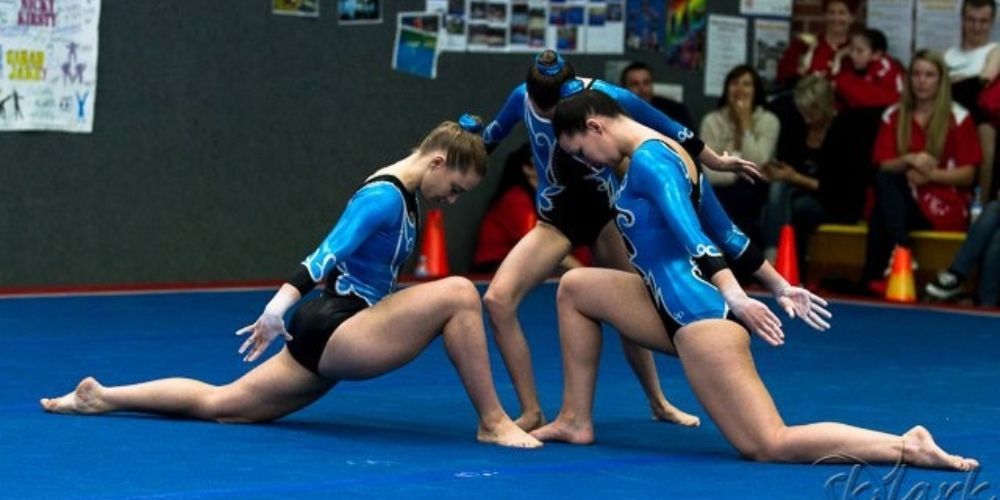
Why Nutrition is Critical for a Gymnasts?
Gymnastics is one of the most demanding sports, requiring a unique blend of strength, flexibility, balance, and endurance. To meet these physical demands, gymnasts need more than just practice — they need the right fuel to perform at their best. Here’s why nutrition is so important for gymnasts:
Sustained Energy for Training
Gymnasts train hard, often for hours at a time. Without proper nutrition, energy levels can crash, making it difficult to stay focused and perform well. Carbohydrates are key for providing the fuel needed to get through long practices, routines, and competitions. Snacks and meals timed throughout the day ensure steady energy and prevent fatigue.
Muscle Recovery and Strength
Strength plays a big role in gymnastics, especially for explosive movements like tumbling and vaulting. After training, muscles need time and the right nutrients to recover. Protein helps repair and rebuild muscle tissue, while healthy fats support joint health, which is crucial for gymnasts to stay strong and flexible.
Injury Prevention
Gymnasts put a lot of stress on their bodies, making them prone to injuries. Eating well helps maintain strong bones, joints, and muscles. Calcium, vitamin D, and magnesium are essential for bone health. At the same time, antioxidants from fruits and vegetables reduce inflammation and promote recovery. Staying hydrated also keeps muscles functioning properly and lowers the risk of cramping or strains.
Mental Focus and Clarity
Gymnastics isn’t just physical — it demands mental sharpness, quick reflexes, and focus under pressure. Stable blood sugar levels from balanced meals help gymnasts stay alert while skipping meals can lead to brain fog and sluggish performance. Omega-3 fatty acids, found in foods like salmon and walnuts, support brain function and help gymnasts stay mentally sharp.
Managing Weight and Staying Healthy
Gymnasts need to maintain a lean and strong physique, but extreme diets can lead to burnout and health problems. A well-balanced diet provides the right amount of energy without unnecessary weight gain, helping athletes feel light and agile. It’s all about finding the right balance so gymnasts stay healthy both physically and mentally throughout their careers.
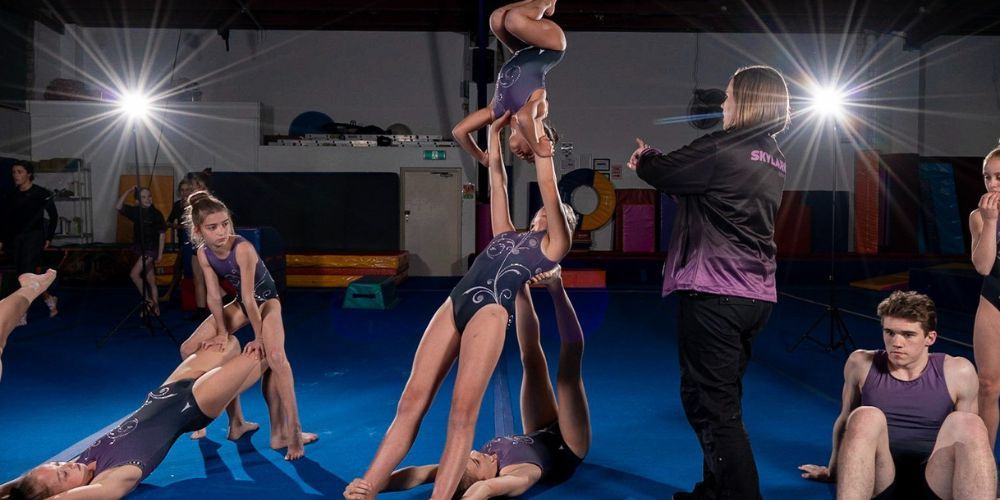
What do gymnasts eat?
We love to eat too! Just because we need to stay fit doesn’t mean food can’t be enjoyable. In fact, the key to fueling ourselves properly is finding a balance between healthy, nutrient-rich foods and meals we actually enjoy. Here’s a detailed look at what gymnasts typically eat throughout the day to stay strong, energized, and ready to perform.
Breakfast
Breakfast is essential because it sets the tone for the rest of the day. After a night of fasting, we need to restore our energy with complex carbs, healthy fats, and proteins to keep us feeling full and energized until our next meal.
- Examples:
- Oatmeal with fruit and nuts: The oats provide slow-releasing energy, while the nuts and fruit provide healthy fats, vitamins, and natural sugars.
- Greek yoghurt with granola and berries: The yoghurt offers protein and probiotics for gut health, while the granola and berries deliver fibre and antioxidants.
- Wholegrain toast with eggs and avocado: This combo provides a good balance of protein, healthy fats, and fibre to keep us going through morning training sessions.
A breakfast like this ensures we avoid sluggishness and stay sharp, helping us hit those morning routines with full focus and energy.
Mid-Morning Snack
By mid-morning, our bodies start to burn through the fuel from breakfast. A quick snack keeps blood sugar levels steady, preventing the dreaded energy crash. We opt for easy-to-digest foods with natural sugars, protein, and healthy fats.
- Examples:
- Banana or apple with peanut butter: The fruit gives a quick sugar boost, while the peanut butter adds long-lasting energy from fats and protein.
- A handful of almonds or trail mix: Nuts provide healthy fats and protein, while dried fruit offers natural sugars to sustain us through the morning.
- Smoothie with protein powder, spinach, and berries: This is a quick option when we need something light but nourishing. The berries add antioxidants, spinach provides iron, and protein powder supports muscle recovery.
These snacks are all about keeping energy levels stable without weighing us down or making us feel too full.
Lunch
Lunch is a critical meal that helps us recover from morning practice and fuels us for the afternoon. It must be well-balanced with carbs for energy, protein for muscle repair, and fats to keep us full. We also aim to include vegetables for vitamins and minerals.
- Examples:
- Grilled chicken wrap with hummus and veggies: The wrap provides carbs, while the chicken offers lean protein. Hummus and veggies add fibre and healthy fats, giving us long-lasting energy.
- Brown rice bowl with salmon, avocado, and greens: This dish is rich in omega-3 fatty acids from salmon and avocado, which help reduce inflammation. The brown rice offers slow-digesting carbs to keep us energized.
- Pasta salad with lean turkey and mixed vegetables: Pasta is great for replenishing glycogen stores, and the turkey gives protein to repair muscles. Adding veggies ensures we get a good dose of antioxidants and fibre.
A balanced lunch keeps us satisfied and prepares us for whatever the afternoon holds, whether that’s practice or competition.
Afternoon Snack
Before training, we need a snack that provides quick energy but isn’t too heavy. The focus is on carbs, which are easy to digest and offer an instant energy boost. This snack fuels us without slowing us down or making us feel bloated before practice.
- Examples:
- Rice cakes with honey: Simple and light, with fast-digesting carbs that give us the perfect pre-workout boost.
- Fresh fruit like oranges or grapes: Loaded with natural sugars, vitamins, and water to keep us hydrated and refreshed.
- Energy bars or protein balls: Convenient and easy to carry, these snacks deliver both carbs and protein to sustain us through intense training sessions.
Timing is key here. We usually eat about 30–45 minutes before training to give our bodies time to digest.
Dinner
After a long day of training, our muscles need protein to repair and carbohydrates to restore glycogen levels. Dinner also includes vegetables for essential nutrients that help reduce inflammation and promote recovery. The goal is to replenish what we’ve burned throughout the day and prepare our bodies for tomorrow.
- Examples:
- Grilled fish with sweet potatoes and steamed broccoli: Fish offers lean protein and omega-3 fats, which support muscle repair and reduce soreness. Sweet potatoes provide complex carbs to restore energy, while broccoli is packed with vitamins and minerals.
- Stir-fried tofu with brown rice and veggies: Tofu is a great plant-based protein that helps with recovery, and the brown rice provides slow-releasing energy. Veggies add fibre and antioxidants.
- Lean beef tacos with avocado and salsa: Beef offers iron, which helps with muscle oxygenation, while avocado provides healthy fats. Fresh salsa adds flavour and essential nutrients.
Dinner is also a time to unwind and relax. Eating well after training ensures we sleep better, allowing our bodies to recover fully.
Evening Snack
Before bed, we might have a small snack to prevent hunger overnight and support muscle recovery. The focus here is on light proteins and fats that are easy to digest but still satisfying.
- Examples:
- Cottage cheese with berries: Cottage cheese contains casein, a slow-digesting protein that helps repair muscles while we sleep.
- A small bowl of yoghurt with chia seeds: Yogurt provides probiotics for gut health, and chia seeds are rich in fibre and healthy fats to keep us feeling full.
- A warm glass of milk with a piece of dark chocolate: Milk contains tryptophan, which can help with sleep, while dark chocolate offers antioxidants — and it’s a delicious way to treat ourselves after a long day!
Evening snacks are not just about nourishment; they also help us relax and wind down from the day’s activities.

Things To Consider About a Gymnast Diet
When it comes to gymnastics, what we eat plays a key role in how well we perform, recover, and stay injury-free. Whether you’re a gymnast yourself, a parent of a young athlete, or just curious about the lifestyle, here are some important things to keep in mind when planning a gymnast’s diet.
1. Balance is Key
A gymnast’s diet should include a mix of carbohydrates, proteins, and fats. Each one serves a purpose:
- Carbohydrates give us the energy to power through long practices. Think whole grains, fruits, and starchy vegetables like sweet potatoes.
- Protein helps repair and build muscle. Eggs, lean meats, fish, tofu, and yoghurt are great options.
- Healthy fats keep joints lubricated and reduce inflammation. Avocados, nuts, seeds, and olive oil are good choices.
It’s important not to cut out entire food groups. Gymnasts need fuel from all these sources to stay at their peak.
2. Timing Matters
When and what you eat throughout the day is just as important as what you eat overall. Proper meal timing helps keep energy levels stable and prevents fatigue. Here’s a tip:
- Eat carbs 30–60 minutes before practice for a quick energy boost.
- Have a protein-rich snack after training to support muscle recovery.
- Spread meals evenly throughout the day to avoid energy dips or cravings.
- Getting into a good rhythm with meal timing will keep your body performing at its best.
3. Hydration is Non-Negotiable
Gymnastics makes us sweat, even if it’s not always obvious. Dehydration can lead to cramping, poor performance, and even injury. So, staying hydrated is critical. Make sure to:
- Drink water regularly throughout the day, not just when you’re thirsty.
- Include electrolyte drinks during long or intense practices.
- Avoid sugary sodas and energy drinks. They might give you a quick energy rush, but they will cause a crash later.
- Remember, hydration starts before training and continues afterwards to aid recovery.
4. Don’t Skip Meals
Skipping meals can leave gymnasts feeling tired, weak, and unfocused, especially during training. Gymnastics demands a lot of energy, and fueling your body consistently throughout the day is essential. Even if you’re on the go, carry healthy snacks like fruit, nuts, or protein bars to stay energized between meals.
5. Listen to Your Body
Every gymnast is different, and what works for one person might not work for another. Some foods will make you feel energized and ready, while others might make you feel heavy or sluggish. It’s important to pay attention to how your body reacts to different foods and adjust your diet as needed. If something doesn’t feel right, it’s okay to make changes.
6. Allow Treats in Moderation
Strict dieting can do more harm than good. Gymnasts need to maintain a healthy relationship with food, so it’s okay to enjoy a treat now and then. Whether it’s a slice of pizza or a scoop of ice cream, having a little flexibility in your diet keeps you happy and motivated. The key is balance — a treat now and then won’t hurt your progress as long as your daily diet is healthy and nutritious.
7. Recovery Days Need Fuel Too
On rest days, it might be tempting to eat less since you’re not training. But recovery days are when your muscles are repairing and growing stronger. Your body still needs healthy meals to recover and prepare for the next training session. Focus on eating nutrient-rich foods to support your body’s repair process.
8. Work with a Nutritionist (Optional)
For gymnasts competing at a high level, consulting a nutritionist can be helpful. A professional can develop a personalized nutrition plan to meet your energy needs, manage weight, and prevent burnout. Suppose you need help with how to structure your meals or deal with competition-day nutrition. In that case, getting expert advice can make a big difference.
Frequently Asked Questions
How do gymnasts avoid feeling too full before practice?
Eat smaller meals or snacks about 30–60 minutes before practice. Avoid heavy, greasy foods that slow digestion.
Is it okay to drink coffee before practice or competitions?
In moderation, yes — older gymnasts may find coffee boosts focus and energy, but too much can cause jitters or dehydration.
What should gymnasts eat the night before a competition?
A balanced dinner with carbs, lean protein, and healthy fats — like grilled chicken with pasta or a stir-fry — ensures muscles are fueled and ready.
How can gymnasts stay hydrated if they don’t like water?
Try flavoured water, coconut water, or sports drinks. You can also eat water-rich foods like watermelon, cucumbers, and oranges.
Conclusion
Yes, gymnasts eat healthy, but we also enjoy what we eat! The secret is to strike a balance — fueling our bodies with the nutrients we need while allowing room for occasional treats. Whether it’s a slice of pizza after a big competition or ice cream on a rest day, we know that enjoying food is part of staying healthy and happy.
So, while gymnastics requires discipline in training and nutrition, food is something we love, not something we fear. We eat to perform, recover, and stay strong — and to enjoy every step of the journey!