Have you ever watched someone flip, tumble, or balance on one hand and thought, Wow, I wish I could do that!? Maybe you’ve always wanted to try acrobatics but felt like you missed your chance. Well, here’s some great news—acrobatics isn’t just for kids and young athletes. You can start at almost any age!
Many people worry, Am I too old to start acrobatics? But the truth is, age is just a number. What really matters is your mindset, fitness level, and personal goals. Whether you want to master a handstand, learn some cool flips, or improve your strength and flexibility, there’s a way to get started, no matter how old you are.
Acrobatics is a fantastic way to challenge yourself, stay active, and have fun. It’s not just about extreme tricks—it’s about building coordination, balance, and confidence. So, if you’ve been holding back because of your age, it’s time to let go of that fear. In this blog, we’ll explore what it takes to start acrobatics at different ages, what to expect, and how you can begin your acrobatic journey today! Let’s dive in!

Understanding Acrobatics: What It Involves
Acrobatics is all about movement, control, and gravity-defying skills. It includes flips, balances, twists, and dynamic sequences that challenge both the body and the mind. Whether it’s rolling into a somersault or soaring through the air in a backflip, acrobatics is an exciting mix of strength, flexibility, and coordination.
Key Disciplines in Acrobatics
Acrobatics comes in many forms, and you don’t have to master them all. Here are some of the main disciplines:
- Tumbling – Think cartwheels, backflips, and handsprings. This is the fast-paced, floor-based side of acrobatics.
- Aerial Acrobatics – Includes skills like trapeze, silks, and hoop work—perfect for those who love heights!
- Partner Acrobatics – Working with a partner or group to create stunning lifts and balances.
- Hand Balancing – Focusing on strength and control while balancing upside down.
Recreational vs. Competitive Acrobatics
Some people train for fun, while others aim for competitions. Recreational acrobatics is all about enjoying the movement, improving flexibility, and having fun. Competitive acrobatics involves routines judged on technique, execution, and difficulty. Both options are rewarding, and it’s up to you how far you want to take it!
Physical Demands of Acrobatics
Acrobatics requires strength, balance, coordination, and flexibility. While younger athletes may pick up certain moves faster, adults can still develop these skills with patience and proper training. The key is to start where you are and build up over time—no rush, progress!
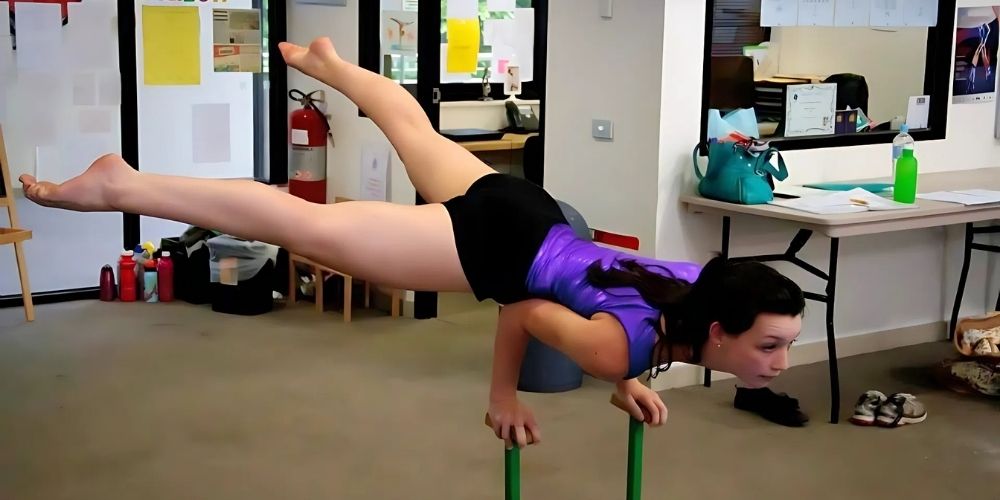
What’s the Best Age to Start Acrobatics?
The short answer? Any age! But let’s break it down.
Why Kids Have an Advantage
Young children often have a natural edge in acrobatics. They’re more flexible, have better coordination, and aren’t as afraid of falling. Their bodies adapt quickly to new movements, making skills like cartwheels and backbends easier to learn. Plus, starting early means they can develop strong muscle memory and confidence over time.
The Benefits of Early Training
Training from a young age helps build strength, flexibility, and body awareness. Kids who start early tend to progress faster and have a solid foundation if they choose to compete. Acrobatics also teaches discipline, focus, and resilience—skills that benefit them in all areas of life.
Can Adults Still Learn Acrobatics? Absolutely!
While adults may not have the same flexibility as kids, they have other advantages—like discipline, patience, and a strong work ethic. With proper training, adults can build strength, improve mobility, and learn impressive skills at their own pace. The key is to focus on progress, not perfection.
So, whether you’re 5 or 50, there’s no “wrong” age to start acrobatics. The best time to begin is whenever you’re ready to take that first step!
Is There an Age Limit for Learning Acrobatics?
If you think you’re too old to start acrobatics, think again! One of the biggest misconceptions is that acrobatics is only for kids and young athletes. While it’s true that starting young can give you an advantage, it’s never too late to learn new skills, challenge your body, and have fun.
Breaking the “Too Old” Myth
Many adults assume that because they didn’t grow up doing flips, they can’t start now. But acrobatics isn’t just about extreme tricks—it’s about body awareness, control, and strength, all of which can be developed at any age. The key is adjusting your approach based on your fitness level and goals.
Inspiring Late-Starters in Acrobatics
Plenty of people have taken up acrobatics later in life and seen amazing results. For example:
- Some gymnasts and circus performers didn’t start training seriously until their 20s or 30s.
- Many adult learners take up aerial silks, tumbling, or hand balancing in their 40s and beyond.
- Older beginners focus on progress, not competition, but still gain incredible strength and flexibility.
Your Goals Shape Your Journey
Your approach to acrobatics will depend on why you’re learning.
- For fun and fitness? Go at your own pace and enjoy the process.
- Want to master a specific trick? With focused training, you can get there.
- Are you thinking of competing? While harder at an older age, some divisions cater to adult acrobats.
No matter your age, if you’re excited to start acrobatics, that’s all that matters!

Factors That Matter More Than Age
While age might influence how quickly you pick up acrobatic skills, it’s not the most important factor. What really determines your success is your fitness level, commitment, and training environment. Let’s break it down.
A. Fitness Level and Body Condition
Acrobatics requires a mix of strength, endurance, and flexibility. The better your overall fitness, the easier it will be to learn new movements. Suppose you already have a background in sports, dance, or yoga. In that case, you may find acrobatics easier to pick up since your body is used to movement and control. But even if you’re starting from scratch, don’t worry—regular training will help you build the necessary strength and flexibility over time.
B. Commitment and Consistency
Progress in acrobatics doesn’t happen overnight. Regular practice is key, whether you’re training once a week or several times a week. The biggest hurdle for many beginners—especially adults—is overcoming the fear of falling or failing. Mental resilience plays a huge role in learning acrobatics. The more you commit and push past doubts, the faster you’ll improve!
C. Training Environment
Where and how you train makes a big difference. Choosing the right class and coach can set you up for success. A supportive environment that focuses on progression (rather than just results) helps build confidence and keeps training fun. Look for coaches who understand adult learners, break down movements step by step, and encourage gradual improvement.
Your attitude, effort, and training approach matter far more than your age. So, if you’re willing to put in the work, acrobatics is absolutely possible—no matter when you start!
Adjusting Expectations: What Can You Achieve at Different Ages?
No matter when you start acrobatics, you can make progress! However, your age may influence how quickly you learn and what goals are realistic. Let’s look at what you can expect at different stages of life.
Teens & Young Adults (13-30s): Fast Progress & Competitive Potential
If you’re in your teens or 20s, your body is still naturally flexible, strong, and quick to adapt. You’ll likely pick up acrobatic skills faster, especially with consistent training. Many people in this age range can even train for competitions if they commit to regular practice. Expect to learn flips, aerials, and balance tricks with a solid foundation of strength and coordination.
30s-50s: Steady Progress with Smart Training
In your 30s, 40s, and even early 50s, acrobatics is still very achievable! You might not progress as fast as a teenager. Still, with proper warm-ups, injury prevention, and focused training, you can develop impressive skills. At this stage, flexibility and strength training become even more important. While high-impact tricks like flips may take longer to master, skills like hand balancing, aerial silks, and controlled tumbling are still very possible.
50s & Beyond: Mobility, Balance & Strength Over High-Impact Moves
Starting acrobatics in your 50s or beyond? You can still gain strength, mobility, and balance, which are essential for overall health. While extreme flips may not be the best goal, handstands, flexibility work, and low-impact acrobatics (like acro yoga or partner balancing) are great ways to stay active and challenge your body safely. The focus here is longevity and movement rather than high-risk tricks.
No matter your age, the key is to train smart, be patient, and enjoy the journey. There’s always something new to learn in acrobatics, whether you’re 15 or 50!
Frequently Asked Questions
Do I need to be strong before starting acrobatics?
No, but building basic strength will help. Strength develops as you train, so start where you are and improve over time.
Can I learn acrobatics at home, or do I need a class?
While you can practice basics at home, a class with a qualified coach ensures proper technique and reduces the risk of injury.
How long does it take to learn acrobatic skills as an adult?
It depends on your fitness level and how often you train. Some skills take weeks to master, while others may take months or years.
Are there any low-impact acrobatics for older beginners?
Yes! Hand balancing, acro yoga, aerial silks, and partner balancing are great options that are less impactful on the joints.
It’s Never Too Late to Start!
Acrobatics isn’t just for kids or professionals—it’s for anyone willing to give it a try! No matter your age, you can build strength, flexibility, and confidence with the right approach. Whether you want to master a handstand, improve your balance, or have fun moving your body in new ways, there’s always a way to start.
If you’ve been thinking about trying acrobatics, why wait? Sign up for a class, start with some simple exercises at home, or find a coach who can guide you step by step. Progress may take time, but every little win counts!
The best time to start is now—so go for it and enjoy the journey!