Losing a gymnastics competition can be tough—there’s no sugarcoating it. You’ve trained for months, put in the effort, and given it your all, only to feel like it wasn’t enough. I get it. Every gymnast, no matter how talented, has been in your shoes at some point. Even Olympic champions have faced tough losses before reaching the top.
But here’s the thing: losing a competition does not define you as a gymnast. What truly matters is what you do next. Do you let it bring you down, or do you use it as fuel to come back even stronger?
Think of every loss as a lesson. Your landings need more control, or your nerves get the best of you. That’s okay! Gymnastics isn’t just about winning medals—it’s about growth, resilience, and pushing yourself beyond your limits.
The best gymnasts aren’t the ones who never fail; they’re the ones who keep going despite failure. So take a deep breath, shake it off, and get ready to improve. This is just one step in your journey, and trust me—you’re going to come back stronger. Every loss is a stepping stone to improvement!

Understanding Your Emotions
Losing a gymnastics competition can bring up a lot of emotions—disappointment, frustration, even sadness. And guess what? That’s completely normal! It means you care about your performance and want to do better. The key is to let yourself feel those emotions without letting them take over.
Instead of being too hard on yourself, take a step back and acknowledge all the effort you put in. You trained, you showed up, and you gave it your best. That in itself is something to be proud of! Negative self-talk like “I’m not good enough” or “I’ll never improve” won’t help—you wouldn’t say those things to a teammate, so don’t say them to yourself.
If the loss is weighing on you, talk about it. Your coach, teammates, or even your family can offer support and perspective. Sometimes, just saying how you feel out loud can make a huge difference.
The most important thing to remember? One competition doesn’t define you. Every great gymnast has faced tough moments—it’s how you handle them that sets you apart. So take a deep breath, shake off the negativity, and get ready to come back stronger!
Analyzing the Competition
Once you’ve had time to process your emotions, it’s time to look at your competition with a clear and constructive mindset. Instead of focusing only on what went wrong, take a step back and review your performance like a coach would—objectively and with an eye for improvement.
Start by recognizing what you did well. Your handstands were solid, or your leaps had great height. These small victories matter! Celebrating them keeps your confidence up and reminds you that you’re making progress.
Next, identify areas where you can improve, but do it without self-blame. Instead of thinking, “I messed up my dismount,“ try, “I need to work on sticking my landings under pressure.“ Shifting your mindset from criticism to growth makes a huge difference.
Your coach is one of your best resources—ask for feedback. They can point out technical details you might have missed and help you develop a plan for improvement.
Remember, the goal isn’t to dwell on mistakes but to learn from them. Every competition is an opportunity to grow, and with the right mindset, you’ll come back even stronger next time!
Setting a Plan for Improvement
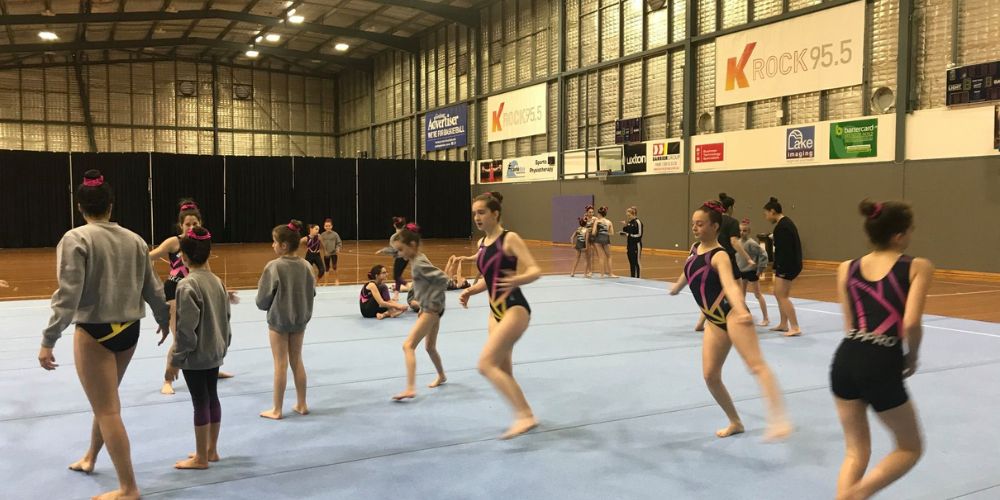
Now that you’ve analyzed your performance, it’s time to create a plan to get better. Instead of focusing on what went wrong, turn your weaknesses into specific goals. Maybe you struggled with your landings—make it a priority to practice sticking them in every training session. If your form needs work, dedicate extra time to drills that improve precision and technique.
A structured training plan helps you stay focused. Work with your coach to target key areas while maintaining your strengths. Improvement isn’t just about physical skills—it’s also about mental toughness. Visualization, breathing exercises, and positive affirmations can help you stay calm and confident under pressure.
Staying Motivated
After a tough loss, it’s easy to feel discouraged, but remembering why you started gymnastics in the first place can reignite your passion. Watch videos of professional gymnasts who have overcome setbacks—they’ve all been where you are!
Keeping a progress journal can also be motivating. Write down small improvements you notice each week. Surround yourself with supportive teammates and coaches who uplift and encourage you. Progress takes time, and staying positive will help you push through challenges.
Avoiding Burnout
Improvement takes hard work, but pushing too hard can lead to burnout. If you need a short break, take it! A day or two of rest can reset your mind and body.
Engaging in other activities—drawing, reading, or even a different sport—can help you maintain a balanced mindset. Also, don’t forget the basics: eat well, get enough sleep, and take care of yourself. A well-rested body performs better in the gym!

Using the Loss as Fuel for Future Success
Every gymnast, from beginners to Olympians, has experienced failure. What separates the best from the rest is their ability to learn and come back stronger. Instead of seeing a loss as a setback, view it as part of the journey.
Adopt a forward-thinking mindset: “Next time, I’ll be stronger!“ Set realistic goals for your next competition and trust the process. With the right mindset and training, you’ll be amazed at how much you can improve.
Remember, one loss does not define you—how you rise after it does!
Building Mental Toughness for Future Competitions
Recovering from a loss isn’t just about improving your skills—it’s also about strengthening your mindset. Mental toughness helps gymnasts stay focused, confident, and resilient no matter the outcome of a competition.
Start by training your mind just like you train your body. Practice visualization by picturing yourself nailing your routines confidently. Use positive affirmations to replace self-doubt with belief in your abilities. Breathing exercises and mindfulness techniques can also help you stay calm under pressure.
Most importantly, learn to embrace challenges. Every setback is an opportunity to grow stronger mentally and physically. When you step into your next competition, you’ll not only be a better gymnast but also a tougher, more confident competitor ready to take on anything!
Learning from Champions Who Have Faced Defeat
Even the best gymnasts in the world have lost competitions, but they didn’t let it stop them. Many Olympic champions, like Simone Biles and Nastia Liukin, have faced tough defeats and still came back stronger.
Take some time to watch interviews or documentaries about elite gymnasts who overcame setbacks. Notice how they handled failure, adjusted their training, and maintained a positive mindset. Their stories can inspire you to keep going, no matter how hard a loss feels.
Remember, losing isn’t a sign that you’re not good enough—it’s proof that you’re pushing yourself. Champions aren’t made by winning all the time; they’re made by how they rise after falling. Learn from the best, stay focused on your growth, and trust that your hard work will pay off!
Frequently Asked Questions
How long should I take to process a loss before moving on?
It depends on the individual, but give yourself at least a day to acknowledge your emotions. After that, shift your focus to learning and improving.
What if I keep losing competitions?
Consistent losses can be frustrating, but they don’t mean you’re not improving. Look at your progress over time, adjust your training plan, and seek extra coaching if needed.
How do I stop comparing myself to other gymnasts?
Focus on your progress rather than others. Everyone improves at different rates, and your journey is unique.
Should I change my routine after a loss?
Not necessarily. Small adjustments may help, but drastic changes aren’t always the answer. Talk to your coach before making big modifications.
Conclusion
Losing a competition is tough, but it’s not the end of your gymnastics journey—it’s just another step in your growth. Take time to process your emotions, analyze your performance with a constructive mindset, and set clear goals for improvement. Stay motivated by remembering why you love gymnastics, surrounding yourself with support, and focusing on your progress rather than just results.
Most importantly, don’t let one loss define you. Every great gymnast has faced setbacks, but what makes them successful is their ability to learn, adapt, and keep pushing forward. Use this experience as fuel to train smarter, build resilience, and come back even stronger. Keep going—you’ve got this!