If you’ve ever watched Ninja Warrior and thought, “I’d love to try that,” you’re not alone! Whether you’re a beginner or already tackling obstacle challenges, mastering your Ninja Warrior skills takes more than just strength—it’s about balance, endurance, grip, agility, and a whole lot of mental toughness.
As a gymnastics coach, I’ve trained plenty of athletes who wanted to build their Ninja Warrior skills, and trust me, it’s not just about swinging from bars. You need explosive power for big jumps, a rock-solid grip for climbing, and the ability to move smoothly from one obstacle to the next. And let’s not forget the mental game—staying calm and focused can make or break your run.
In this guide, we’ll break down exactly how to train like a Ninja Warrior. From grip strength exercises and balance drills to endurance workouts and obstacle-specific techniques, I’ll walk you through the key skills you need to master. Whether you’re aiming to compete or want to dominate your next Ninja gym session, this guide will help you level up.
So, are you ready to take your Ninja Warrior skills to the next level? Let’s dive in and start training like a true warrior!
Developing a Strong Foundation
Before you start tackling obstacles like a true Ninja Warrior, you need to build a strong foundation. Strength is the key to success, whether you’re a kid swinging on the monkey bars or an adult taking on the salmon ladder. Without it, even the simplest challenges can feel impossible. The good news? Anyone—kids and adults alike—can improve their Ninja skills with the right training.
Building Strength
1. Grip Strength – Hang On Like a Pro!
One of the biggest reasons people fail on a Ninja Warrior course is losing their grip. If you can’t hold on, you’ll fall—simple as that! That’s why grip training is so important. Here are some great ways to build it:
- Dead Hangs: Hang from a bar as long as you can. Kids can start with 10–20 seconds, while adults can aim for 30 seconds to 2 minutes.
- Farmer’s Carries: Hold heavy objects (dumbbells, kettlebells, or even grocery bags!) and walk for 30–60 seconds to strengthen grip endurance.
- Monkey Bars and rope Swings are fun and effective ways for kids and adults to build grip and arm strength naturally.
2. Upper Body Strength – Pull, Push, and Climb
Most Ninja Warrior obstacles require pulling yourself up, over, or across something. The stronger your upper body, the easier this becomes.
- Pull-Ups: If you can’t do one yet, start with assisted pull-ups or negatives (lowering yourself slowly). Kids can use resistance bands or a spotter.
- Rope Climbs are a great full-body workout! If climbing is tough, start by pulling yourself up from a seated position.
- Wall or Box Push-Ups: These build arm and shoulder strength. Kids can do push-ups against a wall or on their knees, while adults should aim for regular or incline push-ups.
3. Core Strength – The Secret to Staying in Control
A strong core keeps you stable while swinging, landing, and climbing. If your core is weak, obstacles like the warped wall or swinging ropes will be much harder.
- Hanging Leg Raises: Hold onto a bar and lift your knees to your chest. Younger kids can start with small tucks.
- Planks: Try holding for 20–60 seconds. Kids can make it fun by balancing on one hand or playing plank tag!
- Rollouts & Sit-Ups: Using an ab wheel or doing slow sit-ups will strengthen deep core muscles for better control of obstacles.
Final Tip:
Strength training doesn’t have to feel like a chore! Kids can play on playground equipment, and adults can incorporate fun challenges into their workouts. Train consistently, but don’t forget to rest—muscles grow stronger when they recover.
Essential Ninja Warrior Skills and How to Train Them
Now that we’ve built a strong foundation, it’s time to focus on the key skills that every Ninja Warrior—kids and adults alike—needs to master. From gripping onto bars to making big jumps, these skills will help you move smoothly and confidently through any course.
a) Grip Strength and Endurance – The Power to Hold On
Your grip strength isn’t just about holding onto bars—it’s about endurance, too. The longer you can hang on, the better your chances of finishing a course. Here’s how to train it:
- Fingerboard Training: A great way to strengthen your fingers and forearms. Start by hanging from different grips for short periods, increasing time as you improve.
- Pegboard Drills: Climbing a pegboard builds both grip and pulling strength. Beginners can start with assisted holds before working up to full movements.
- Towel Pull-Ups: Throw a towel over a bar, grip it, and do pull-ups. This mimics rope obstacles and makes your hands and fingers work even harder.
b) Swinging and Transitioning Between Obstacles – Move Like a Ninja
Smooth transitions between obstacles are key to keeping your momentum. Here’s how to practice:
- Lache Technique: This is when you swing from one bar to another. Focus on generating a strong swing, tucking your knees, and releasing at the right moment.
- Monkey Bar Variations: Practice skipping bars, going sideways, and switching grips to improve control.
- Rope Swings and Tarzan Swings: Grab a rope, swing across, and practice landing on a platform. This will improve your grip and timing.
c) Jumping Power and Precision – Explosive and Accurate Movements
Jumping is essential for warped walls, precision landings, and clearing gaps between obstacles. Here’s how to train:
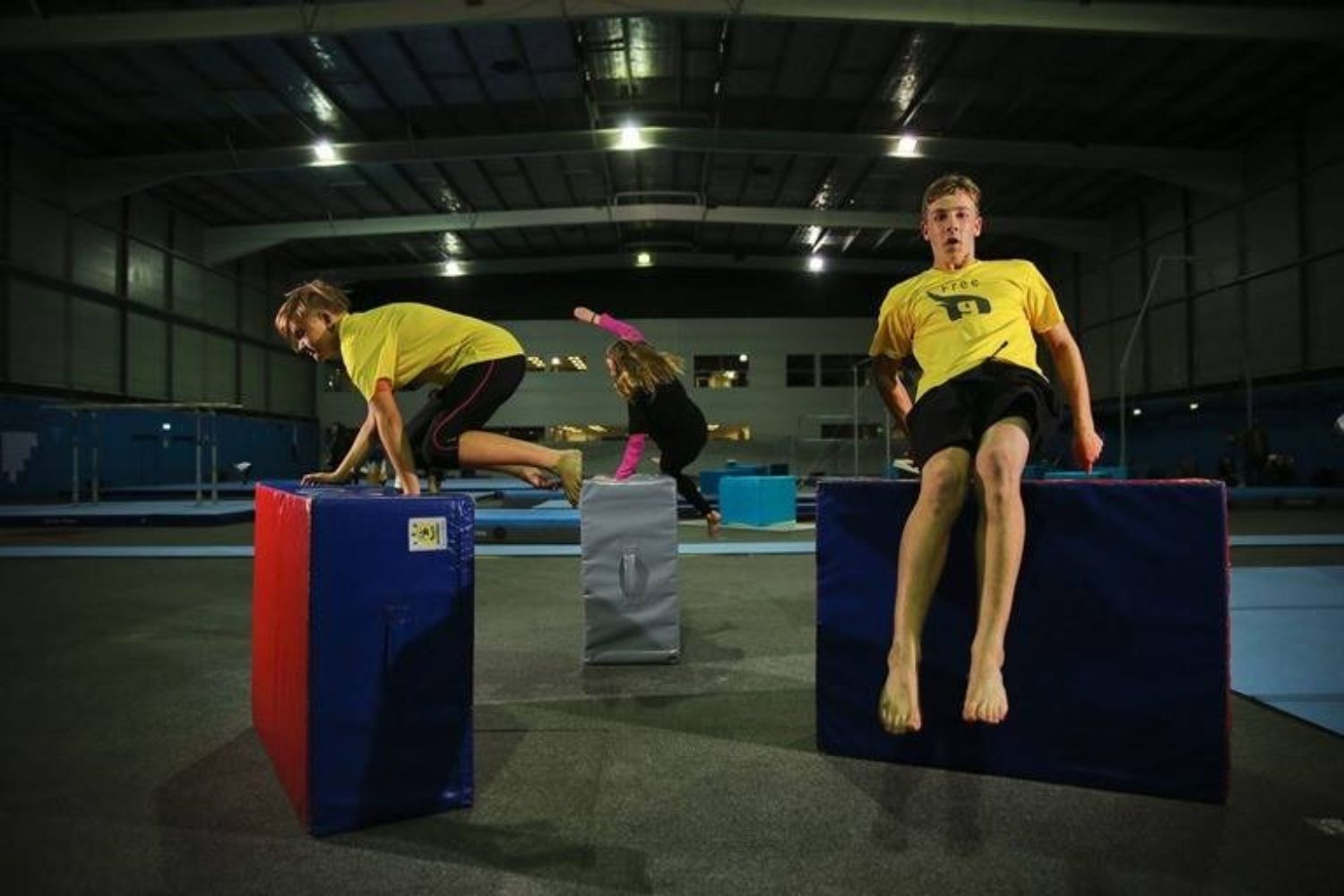
- Box Jumps and explosive Squats build leg power for higher jumps. Start low and gradually increase height.
- Parkour-Style Precision Jumps: Jump onto small targets, such as steps or rails, to improve control and accuracy.
- Trampoline-Assisted Training: Great for kids and beginners! It helps build confidence in jumping while practising soft landings.
d) Climbing and Wall Techniques – Conquer the Big Obstacles
Walls, ropes, and climbing obstacles require agility, explosive power, and strategy. Here’s how to train:
- Warped Wall Technique: Sprint fast, push off hard with one foot, and reach high! Try starting on smaller walls before progressing to full-sized ones.
- Rock Climbing (Bouldering & Top-Roping): Climbing gyms are fantastic for grip, balance, and foot placement practice.
- Spider Climb & Salmon Ladder: Work on controlled movements and core engagement to master these tough obstacles.
Final Tip:
These skills take time to master, so don’t get discouraged. Focus on progress, have fun with training, and challenge yourself in small ways every day.
Mental Toughness and Strategy – Winning the Mind Game
Being a great Ninja Warrior isn’t just about strength—it’s about mindset. Whether you’re a kid trying to master the monkey bars or an adult training for competition, mental toughness is what keeps you going when things get tough.
- Overcoming Fear of Failure: Everyone falls—it’s part of Ninja training! Instead of seeing failure as a setback, use it as a learning tool. Practice falling safely and getting back up with confidence.
- Staying Focused Under Pressure: Whether you’re competing or just training, distractions can throw you off. Deep breathing, visualization, and mindfulness techniques help keep you in the zone.
- Developing a Game Plan: Don’t just rush through obstacles—plan your approach. Learn how to conserve energy, use efficient movement patterns, and pace yourself to avoid burnout.
Nutrition and Recovery – Fueling and Healing Like a Pro
Strong Ninjas aren’t just built in the gym—they’re built in the kitchen and through proper recovery.
- Best Foods for Strength & Endurance: Focus on lean proteins, healthy fats, and complex carbs. Kids should get plenty of fruits, veggies, and whole grains to fuel active play.
- Hydration Tips: Dehydration leads to fatigue and slower reaction times. Drink water throughout the day, and consider electrolyte-rich drinks after intense training.
- Recovery Techniques:
- Stretching & Mobility Work: Prevents injury and keeps muscles flexible.
- Foam Rolling: Eases muscle soreness after tough workouts.
- Sleep Optimization: Aim for 8–10 hours of quality sleep to recover and perform at your best.
Training Like a Ninja Warrior – Putting It All Together
Now that you know the skills and strategies, it’s time to structure your training for real progress.
a) Structuring Your Weekly Training Plan
A balanced plan includes both strength-building and obstacle practice:
- Strength Days (2–3 times per week): Focus on grip, upper body, core, and leg strength.
- Skill Days (2 times per week): Work on technique for swinging, climbing, and jumping.
- Active Recovery Days: Include light stretching, mobility drills, or fun movement-based activities like swimming or biking.
b) Using Ninja Warrior Gyms and Training Parks
- Finding Local Ninja Gyms: These offer specialized obstacles and expert coaching. At Skylark Sports, we have specialized obstacles and expert coaching to help you train like a Ninja Warrior!
- DIY Obstacle Setups at Home: Set up a pull-up bar, monkey bars, or small balance challenges in your backyard for extra practice.
c) Practicing Real Competition Scenarios
- Simulating Course Runs: Time yourself on obstacles to improve speed and endurance.
- Learning from Past Competitors: Watch videos of experienced Ninja Warriors to pick up movement techniques and strategies.
Common Mistakes and How to Avoid Them
Even the best Ninja Warriors make mistakes—but knowing what to look out for can help you improve faster and avoid unnecessary injuries. Here are some of the most common mistakes beginners (and even advanced athletes) make, along with tips to fix them.
1. Neglecting Grip Strength Training
🚫 Mistake: Relying only on general upper-body strength instead of focusing on grip endurance.
✅ Fix: Incorporate dead hangs, towel pull-ups, and fingerboard exercises into your routine. The stronger your grip, the longer you’ll last on the course.
2. Rushing Through Obstacles Without Proper Technique
🚫 Mistake: Moving too fast and burning out early, leading to missteps and falls.
✅ Fix: Focus on efficiency over speed. Master proper swinging, jumping, and climbing techniques before trying to go faster.
3. Poor Foot Placement on the Warped Wall
🚫 Mistake: Running up the wall without a powerful last step, leading to failed attempts.
✅ Fix: Sprint with confidence, place your foot higher up and push off explosively while reaching for the top.
4. Lack of Core Strength
🚫 Mistake: Struggling with body control, making swinging, climbing, and transitions more difficult.
✅ Fix: Train core stability with planks, hanging leg raises, and ab rollouts to improve control over your movements.
5. Ignoring Recovery and Rest
🚫 Mistake: Overtraining and not allowing the body to recover, leading to fatigue and potential injury.
✅ Fix: Prioritize stretching, mobility work, hydration, and quality sleep. Recovery is just as important as training!
6. Skipping Lower Body Training
🚫 Mistake: Focusing too much on upper body strength and neglecting leg power for jumps and sprints.
✅ Fix: Train explosive leg movements with box jumps, lunges, and squats to improve agility and balance.
7. Letting Fear Hold You Back
🚫 Mistake: Overthinking obstacles and hesitating, which breaks momentum.
✅ Fix: Build confidence through progressive training. Start with smaller challenges and work your way up. Practice visualization techniques to mentally prepare.
Frequently Asked Questions
How long does it take to see progress in Ninja Warrior training?
It depends on your starting fitness level, but most people see noticeable improvements in 4–8 weeks with consistent training.
What age is best to start Ninja Warrior training?
Kids as young as five can start with basic obstacle skills, while adults of any age can train as long as they build strength and mobility safely.
Do I need a Ninja Warrior gym to train effectively?
Not necessarily! Many skills can be trained with home setups like pull-up bars, monkey bars, and grip trainers.
What should I wear for Ninja Warrior training?
Wear lightweight, flexible clothing and grippy athletic shoes to help with traction and movement.
Conclusion – Your Ninja Warrior Journey Starts Now!
Improving your Ninja Warrior skills takes time, dedication, and the right mindset—but the journey is just as exciting as the goal! Whether you’re a kid climbing your first rope or an adult aiming to conquer a full course, every small improvement brings you closer to success.
Remember to focus on building strength, mastering key techniques, and developing mental toughness. Stay consistent, listen to your body, and don’t be afraid to fail—it’s all part of the process!
Most importantly, have fun! Ninja Warrior training isn’t just about competition; it’s about pushing your limits, learning new skills, and enjoying movement in a whole new way. So keep training, keep challenging yourself, and who knows? One day, you might just find yourself dominating the course like a pro!
Ready to take the next step? Start training today and unleash your inner Ninja! 💪🔥