Tumbling is all about speed, strength, and control. As a coach, I see athletes working on back handsprings, tucks, and full twists every day, and one thing is always clear—more power means better height, faster rotation, and more confident landings. But power doesn’t just come from trying harder. It comes from smart training, solid technique, and a real understanding of how your body moves.
If you’ve ever felt like your back handspring is too low or your flips don’t quite make it all the way around, you’re not alone. Many athletes struggle to get enough explosiveness in their tumbling. The good news? Power is something you can build. With the right mix of strength training, technical adjustments, and a strong mindset, you can take your tumbling to the next level. Let’s break down how to do it!

Strength and Conditioning for More Power in Tumbling
If you want to tumble higher, faster, and with more control, you need to build strength in the right areas. Here comes strength and conditioning training. Power doesn’t just come from effort—it comes from strong legs, a solid core, and explosive upper-body strength. During our tumbling classes, we focus on strength and conditioning drills that target these key muscle groups. From plyometrics to core stability exercises, every part of your training helps you generate more power, rotate faster, and stick your landings with confidence.
Let’s break it down so you can train smarter and get real results.
Lower Body Strength – The Foundation of Power
Your legs do most of the work when it comes to tumbling. Whether you’re punching off the floor for a tuck or driving through a round-off, strong legs mean bigger skills.
Key Exercises for Leg Power:
- Squats – These are a must for tumblers. They build strength in your quads and glutes, helping you explode off the ground.
- Lunges – Great for single-leg strength and balance, both of which are key for powerful takeoffs.
- Plyometrics (Jump Training) – Box jumps, tuck jumps, and bounding drills train your legs to be quick and explosive, just like in tumbling.
Core Strength
A strong core holds everything together. It keeps your body tight in the air, helps with rotation, and prevents you from losing control in flips and twists.
Core Exercises for Tumbling:
- Planks – Strengthens deep core muscles for better control.
- Hollow Body Holds – Teach you how to stay tight in the air, which is essential for tumbling power.
- V-Ups – Helps improve snap-down speed and rotation.
C. Upper Body Strength – Power in Your Arms and Shoulders
Your upper body plays a bigger role in tumbling than most people realize. A strong arm swing adds momentum, and solid shoulders help with handsprings, push-offs, and landings.
Upper Body Strength Drills:
- Handstand Push-Ups – Builds shoulder strength for better control and stability.
- Resistance Band Drills – Strengthens your arm swing so you can generate more power in your tumbling passes.
Powerful tumbling doesn’t happen overnight, but if you focus on building strength in these key areas, you’ll notice your skills getting higher, faster, and stronger. Stay consistent, train smart, and let’s get to work!
Perfecting Tumbling Technique
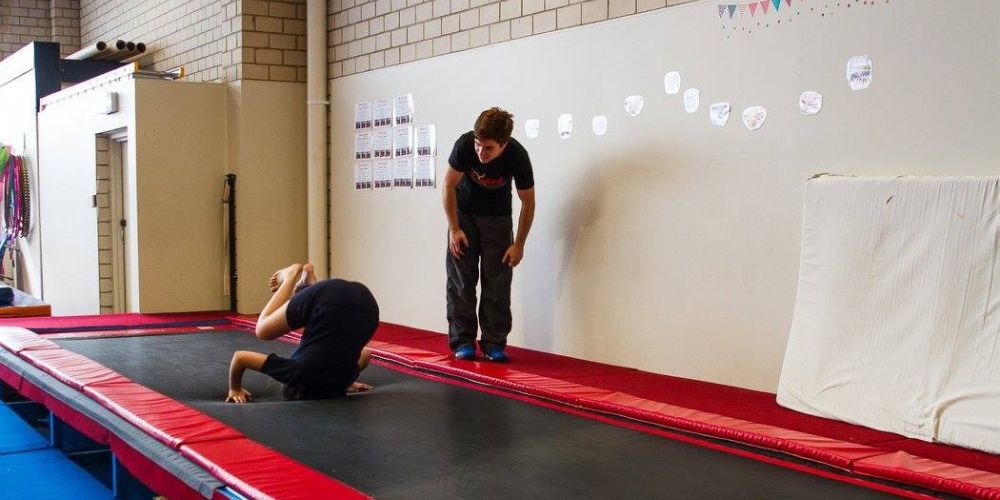
Powerful tumbling isn’t just about strength—it’s about using the right technique. Even the strongest athletes won’t get the height or rotation they need if their form is off. To maximize your power, you need tight body positions, a strong takeoff, and perfect coordination between your arms and legs. Let’s break it down.
Proper Body Positioning – Staying Tight for Maximum Power
Keeping your body tight during tumbling is key to generating speed and height. If your body is loose or your posture is off, you’ll lose momentum and struggle with rotation.
Drills to Improve Body Positioning:
- Hollow Holds and Rocks – Teaches your body to stay tight and controlled in the air.
- Wall Sit with Tuck Hold – Helps strengthen your legs and reinforce a strong tuck position.
- Stick and Land Drills – Focuses on body control and posture during landings.
Takeoff and Set Techniques
Your takeoff is everything. Whether you’re punching off the floor for a tuck or setting for a layout, how you push through your legs and extend your body will determine how high and powerful your skill is.
Common Takeoff Mistakes and Fixes:
- Mistake: Rushing the Set – If you throw your head back too early, you’ll lose height.
- Fix: Focus on jumping straight up first before rotating.
- Mistake: Weak Leg Drive – If you don’t push hard enough off the ground, you won’t get enough air.
- Fix: Use explosive jump drills like tuck jumps and box jumps to build power.
Arm and Leg Coordination
Your arms and legs need to work together to create power. A strong arm swing adds momentum, and a fast leg snap helps complete rotations.
Drills to Improve Coordination:
- Arm Swing to Jump Drill – Stand in place and practice swinging your arms aggressively before jumping straight up.
- Snap-Down Rebounds – Helps train quick leg snap and strong landings.
- Slow-Motion Tumbling – Breaks down each movement to build muscle memory and better coordination.
When you combine strength with perfect technique, your tumbling becomes more powerful, controlled, and effortless. Keep practicing these drills, focus on your form, and you’ll see major improvements in your skills!
Drills to Develop More Power in Tumbling
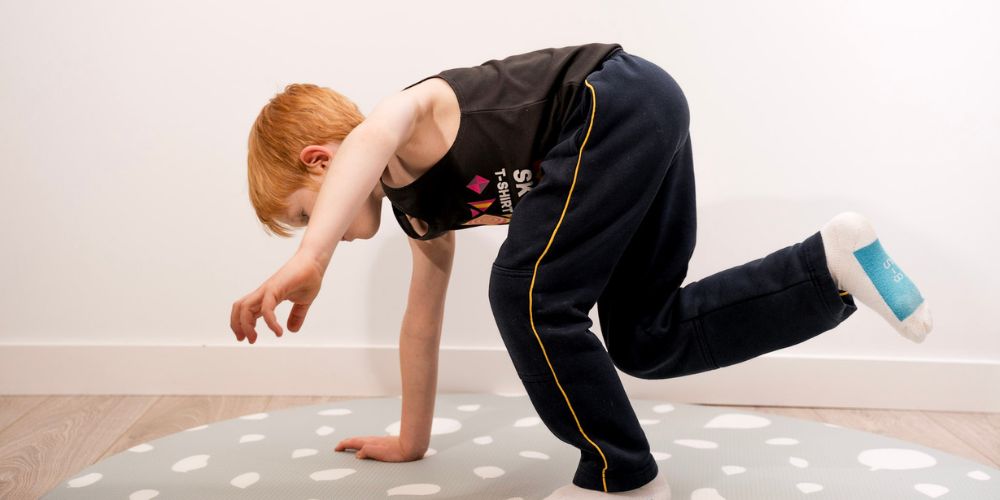
If you want to add more height, speed, and explosiveness to your tumbling, you need to train like a powerhouse. Strength alone isn’t enough—you need drills that build fast-twitch muscle power, improve your takeoff mechanics, and fine-tune your coordination. Here are some of the best drills to help you develop serious tumbling power.
1. Plyometric Drills – Explosive Power for Higher Jumps
Plyometrics train your muscles to fire quickly and forcefully, just like in tumbling. These drills will help you get off the floor faster and with more power.
- Box Jumps – Jump onto a sturdy box with maximum height, focusing on explosive takeoff.
- Tuck Jumps – Jump straight up, tucking your knees quickly to your chest to mimic a back tuck takeoff.
- Sprints – Short bursts of sprinting build explosive leg power and improve your ability to generate speed before takeoff.
2. Resistance Training – Adding Strength to Your Power
Using resistance in your training forces your muscles to work harder, making your jumps and push-offs stronger.
- Bungee Cord Jumps – Attach a resistance band to your waist and practice jump drills to build explosive power.
- Weighted Jumps – Perform tuck jumps or broad jumps while holding light weights (like ankle weights) to increase leg strength.
3. Trampoline and Air Track Drills – Refining Your Takeoff
Training on a trampoline or air track helps reinforce proper technique while reducing the impact on your joints.
- Rebound Drills – Bounce lightly and focus on snapping your legs and arms into a tight position, just like in a tumbling takeoff.
- Set Drills – Practice strong, controlled sets before flipping to train proper jump technique.
- Punch Takeoffs – Work on fast, powerful takeoffs by rebounding from your feet into a layout or tuck.
The Role of Flexibility and Mobility in Tumbling Power
Tumbling isn’t just about strength and speed—flexibility and mobility play a huge role in how powerful and efficient your skills are. If your muscles are tight, you’ll struggle with takeoffs, landings, and transitions. But with better flexibility, your movements will be smoother, faster, and more controlled. Let’s look at why flexibility matters and which stretches will help improve your tumbling.
Why Flexibility and Mobility Matter
- Greater Range of Motion – More flexibility means your body can extend fully, leading to higher jumps, better splits, and cleaner lines.
- More Efficient Movement – When your muscles move freely, you waste less energy and can execute skills with more power.
- Injury Prevention – Flexible muscles and joints absorb impact better, reducing the risk of strains and sprains.
Best Stretches and Mobility Exercises for Tumbling
Lower Body Flexibility (Hips, Hamstrings, and Ankles)
- Pike Stretch – Helps loosen hamstrings for better snap-downs and tuck positions.
- Hip Flexor Stretch – Increases hip mobility for stronger jumps and splits.
- Calf Stretch – Improves ankle flexibility for better toe-point and push-offs.
Upper Body Flexibility (Shoulders and Back)
- Bridge Holds – Opens up the shoulders and strengthens back flexibility for layouts and handsprings.
- Cat-Cow Stretch – Improves spinal mobility, making arching and hollow body positions smoother.
Active Flexibility Drills
- Dynamic Kicks – Front and side kicks improve hip flexibility while training explosive movement.
- Deep Squat Holds – Improves ankle, hip, and lower back mobility for better balance and takeoffs.
Mental Strategies for More Powerful Tumbling
Tumbling isn’t just physical—it’s mental, too. Confidence, focus, and mindset can make or break your power. Even if you have the strength and technique, hesitation or fear can hold you back. By training your mind like you train your body, you’ll be able to tumble with more power, control, and consistency.
1. Build Confidence in Your Skills
Hesitation weakens your power. If you second-guess yourself mid-tumble, you’ll lose momentum. Confidence comes from preparation and trust in your training.
- Use Positive Self-Talk – Instead of saying, “I hope I land this,” say, “I’ve trained for this, and I can do it.”
- Drill Progressions – Master each step of a skill before moving to the next so you feel strong and prepared.
- Visualize Success – Close your eyes and picture yourself executing the perfect tumbling pass with power and control.
2. Overcome Mental Blocks
Every tumbler faces fear at some point. The key is to push past it safely and methodically.
- Break It Down – If a skill feels scary, go back to basics and rebuild confidence with drills.
- Use a Coach or Spotter – Knowing someone is there helps you commit fully to your skill.
- Control Your Breathing – Deep breaths before takeoff calm your nerves and help you focus.
3. Stay Focused and Consistent
Mental focus helps you channel all your power into your tumbling.
- Have a Pre-Tumbling Routine – A consistent setup (deep breath, arm swing, or countdown) keeps you locked in.
- Eliminate Distractions – When tumbling, block out everything else and focus only on your movement.
- Commit 100% Every Time – A half-hearted takeoff leads to weak power. Trust yourself and go all in.

Common Mistakes That Reduce Power in Tumbling
Even the strongest tumblers can lose power if their technique isn’t right. Small mistakes can make a big difference in height, speed, and execution. If you’ve ever felt like your tumbling isn’t as powerful as it should be, you might be making one of these common errors. Let’s break them down and fix them!
1. Overarching or Not Engaging the Core
Power in tumbling comes from a tight, controlled body position. If you arch too much or let your core go loose, you lose momentum and control.
🔹 Common Issues:
- There is too much arching in takeoffs (especially in back handsprings and tucks).
- Loose core in flips, leading to slow rotations.
✅ Fix It:
- Keep your body tight and hollow during takeoffs and flips.
- Strengthen your core with planks, V-ups, and hollow body holds to improve control.
2. Weak or Inefficient Takeoffs
Your takeoff is everything. If you don’t jump explosively, you won’t get the power needed for big skills.
🔹 Common Issues:
- Do not use your legs and arms together for maximum force.
- Bending at the waist instead of pushing from the legs.
✅ Fix It:
- Focus on a strong, explosive jump using your legs AND arms.
- Practice box jumps, tuck jumps, and deep squats to build takeoff strength.
3. Skipping Warm-Ups and Conditioning
Tumbling relies on strength, flexibility, and quick reactions. If you skip warm-ups or conditioning, your body won’t perform at its best.
🔹 Common Issues:
- Muscles are too tight, limiting the range of motion.
- Weakness in key areas (legs, core, shoulders) reducing power.
✅ Fix It:
- Always warm up with dynamic stretches, jumps, and drills before tumbling.
- Stay consistent with strength and flexibility training—power comes from a well-conditioned body!
Fixing these mistakes will immediately boost your tumbling power, making your skills higher, faster, and more controlled. Focus on tight form, strong takeoffs, and proper preparation, and you’ll see a huge difference in your performance!
Frequently Asked Questions
Does diet affect tumbling power?
Absolutely. Eating enough protein, healthy fats, and complex carbs helps muscles recover and perform at their best. Staying hydrated is also key.
How can I stop hesitating before powerful skills?
Use mental drills like visualization, positive self-talk, and consistent progressions to build confidence and reduce fear.
Do certain shoes help with power in tumbling?
Most tumblers go barefoot, but if using shoes, choose lightweight ones with good grip to avoid slipping and maximize push-off power.
Should I train power every day?
No, muscles need rest to grow. Train power 3–4 times per week, mixing in recovery days to prevent burnout.
Conclusion
Building more power in tumbling takes a mix of strength, technique, drills, flexibility, and mindset. It’s not just about jumping harder—it’s about using your entire body efficiently to generate explosive energy.
By improving your strength and conditioning, refining your technique, and using targeted drills, you’ll notice higher, faster, and more controlled tumbling passes. Don’t forget the mental aspect—confidence and focus are just as important as physical power.
Remember, progress doesn’t happen overnight. Stay consistent, train smart, and trust the process. The more you fine-tune your form, build strength, and commit to powerful takeoffs, the better your tumbling will become. Keep pushing yourself, and you’ll see the results in no time!