
ABCs of JuniorGym, Movement and Learning
DIRECTION – The ABC’s of JuniorGym

D – is for DIRECTION
Understanding direction is an important part of how children learn to move confidently and safely.
Direction refers to understanding where and how the body moves — whether that’s forward, backward, sideways, up, down or around obstacles. It helps children know how to move through space and respond to instructions during activities.
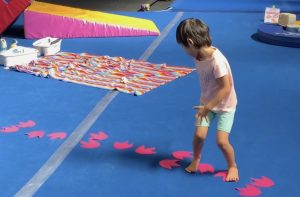
For young children, directional awareness develops through movement experiences. When children practice changing direction, following pathways and responding to cues, they strengthen the connection between listening, thinking and moving.
That’s why directional skills are an important part of Junior Gym and preschool gymnastics programs. These activities help children build the foundations for safe movement, learning readiness and participation in kids sports.

Why Direction Matters
Developing an understanding of direction supports children in many aspects of learning and movement.
Spatial awareness
When children learn about direction, they begin to understand where their body is in relation to objects, people and space around them. This helps them move safely and confidently in busy environments like playgrounds, classrooms and sports activities.
Listening and responding to instructions
Directional cues such as “step forward,” “move sideways,” or “turn around” help children practice listening, processing information and responding with their body.
Following sequences and pathways
Understanding direction helps children follow movement sequences and navigate different activities, which strengthens problem-solving and coordination.
Confidence in movement
When children understand where to move and how to move safely, they feel more confident participating in games, activities and sports.
How We Build Direction in Junior Gym
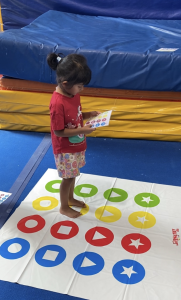
In Junior Gym, children develop directional awareness through playful movement activities that encourage them to explore space and respond to cues.
Some of the ways we build direction skills include:
Movement games with directional cues
Coaches guide children using simple instructions such as forward, backward, sideways or around obstacles.
Circuits with changing pathways
Obstacle courses encourage children to move in different directions while navigating equipment and challenges.
Following movement patterns
Children practice moving along pathways that require turns, changes in direction and controlled movement.
These activities help children build the ability to listen, respond and move confidently in different directions, supporting both physical development and early learning skills.
The ABC’s of Junior Gym
This article is part of our ABC’s of Junior Gym series, where we explore the many ways movement supports your child’s development.
Each post focuses on a different skill or concept that children develop through Junior Gym and preschool gymnastics, helping to build:
- strong bodies
- confident movers
- active minds
- positive social skills
From Awareness and Balance to Confidence, Coordination and more, every letter highlights how movement supports whole-child development and school readiness.
Explore the other articles in the series:
Because when children learn to move well, they gain the confidence to explore, learn and grow.

Written by
Jasmin Meaker
YES! WE HAVE A NEWSLETTER
READ OUR LATEST UPDATES
ABCs of JuniorGym, Movement and Learning
DIRECTION – The ABC’s of JuniorGym
D – is for DIRECTION Understanding direction is an important part of how children learn to move confidently and safely. Direction refers to understanding where and how the...
LEARN MORE
ABCs of JuniorGym, Movement and Learning
COORDINATION – The ABC’s of JuniorGym
C – is for COORDINATION Coordination is an essential skill that helps children move with control, efficiency and confidence. Put simply, coordination is the ability for different parts...
LEARN MORE
ABCs of JuniorGym, Movement and Learning
BALANCE – The ABC’s of JuniorGym
B – is for BALANCE Balance is one of the most important building blocks of movement for young children. In simple terms, balance is the ability to keep...
LEARN MORE

