As a gymnastics instructor, I’ve spent years working with kids of all ages, and I’ve seen firsthand how Kindergym can bring joy, confidence, and valuable skills into a child’s life.
Yet, there are plenty of misconceptions about Kindergym that stop parents from giving it a try. I want to clear up these misunderstandings because I’ve seen the benefits in action. In this blog, we’ll go over some common myths about Kindergym, why they’re wrong, and the surprising advantages that come from participating.

Myth 1: “Kindergym Is Just Playtime, Not Serious Learning”
This is a myth I hear from parents all the time. It’s easy to think that because the kids are having fun, they’re not learning much. However, kindergym is carefully designed to help children build foundational skills. Activities like walking on a balance beam, crawling through tunnels, or jumping on mats improve motor skills, coordination, and balance. These aren’t just random actions; they teach children how to control their bodies and gain confidence in their movements. Beyond physical benefits, Kindergym encourages problem-solving as kids figure out how to navigate different challenges. For example, climbing an obstacle teaches both patience and strategy. While it may look like play, every activity has a purpose behind it. The best part is that kids learn without even realizing it—they think they’re having a blast.
Myth 2: “Kindergym Is Only for Athletic or Energetic Kids”
I’ve had parents tell me they were hesitant to enrol their child because they thought their kid wasn’t “active enough” for Kindergym. But Kindergym is for all kids, not just the naturally sporty ones. Whether your child is full of energy or a little more reserved, Kindergym has something for everyone. The beauty of the program is that it allows children to move at their own pace. Some kids might run to the balance beam, while others take their time to observe first—and that’s perfectly fine. I’ve seen shy kids gain confidence week by week as they try new activities. There’s no pressure to perform or compete; it’s about exploration and personal growth. Every child can find their own successes in Kindergym, whether that’s learning to jump with both feet or simply feeling comfortable in a group setting.
Myth 3: “It’s Too Early for Structured Physical Activities”
Many parents worry that toddlers or preschoolers are too young for structured activities. But Kindergym is tailored specifically for this age group, keeping everything fun, simple, and flexible. There’s a gentle structure to the sessions, but it’s far from rigid. For instance, we might start with a warm-up song where kids can follow along—or dance however they like. Then, we guide them through different stations, such as tumbling mats or small trampolines. These activities allow them to explore and develop important physical skills without feeling overwhelmed. The program also encourages creativity. For example, a child might pretend to be a bird flying through hoops, which helps build coordination while letting their imagination run wild. By keeping things light and adaptable, Kindergym is the perfect introduction to physical activity for little ones.
Myth 4: “Kindergym Isn’t Safe for Young Children”
This myth is a big one, and I understand why it comes up—no parent wants their child to get hurt. However, safety is the number one priority in Kindergym. The equipment is designed specifically for young children, with padded surfaces and low heights. Instructors are trained to create a safe environment, and we’re always there to supervise and guide the kids. We teach them how to fall safely, roll correctly, and take small steps before attempting anything new. For example, if a child is trying a low balance beam for the first time, we make sure they have support until they feel ready to try it on their own. Over the years, I’ve seen so many kids build confidence because they know they’re in a safe space. Safety isn’t just about avoiding injuries; it’s about creating a secure environment where kids can explore and grow.
Myth 5: “Parents Have to Be Fitness Experts to Join”
Some parents shy away from Kindergym because they think they need to be athletic or skilled to participate. Let me tell you, that couldn’t be further from the truth! Kindergym isn’t about you being a fitness expert—it’s about being there for your child. In fact, most of the time, parents are simply there to encourage and cheer their little ones on. If there’s an activity that involves parent participation, the instructor always explains what to do. I’ve seen parents bond with their children over simple things like rolling a ball back and forth or holding their hands as they take on a new challenge. You don’t need to be a gymnast to enjoy these moments. All you need is a willingness to join in the fun and watch your child’s confidence soar.
Myth 6: “Kindergym Is Too Expensive and Not Worth It”
This is a myth that might stop some families from even looking into Kindergym. But when you break it down, the benefits far outweigh the costs. Most programs are affordable and offer flexible schedules, making it easier to fit into your routine. Beyond the physical benefits, Kindergym teaches life skills like patience, teamwork, and problem-solving. These are things your child will carry with them long after the classes are over. I’ve had parents tell me that they’ve seen noticeable improvements in their child’s confidence and independence within just a few weeks of joining. Many programs also offer free trial sessions so you can see if it’s a good fit before committing. The investment you make in Kindergym pays off in ways that go beyond the class itself.
Myth 7: “Kindergym Doesn’t Lead to Future Sports Success”
I’ve heard people say that Kindergym is a “waste of time” because it doesn’t directly prepare kids for competitive sports. But that’s missing the bigger picture. Kindergym lays the foundation for all kinds of physical activities later in life. Skills like balance, coordination, and strength are essential for sports like soccer, gymnastics, or swimming. I’ve had older kids in gymnastics classes who started in Kindergym, and they always seem to have a head start in terms of body awareness and confidence. Even if your child doesn’t pursue sports, the skills they learn in Kindergym—like perseverance and focus—are valuable in everyday life. Think of it as building blocks: Kindergym provides the base, and your child can grow from there, no matter where their interests take them.

7 Benefits of Kindergym
1. Physical Development
Kindergym helps kids build strength, coordination, and flexibility. Activities like jumping, climbing, and rolling develop motor skills that are crucial for growth. It’s not about perfection; it’s about letting kids explore what their bodies can do. I’ve seen kids who struggled with balance learn to stand tall on a beam within weeks. These small victories boost not just their physical abilities but their confidence too.
2. Social Skills
Kindergym is a great way for kids to interact with others in a positive setting. They learn to share, wait their turn, and cheer for their peers. These moments of teamwork and encouragement are the building blocks of good social behaviour.
3. Confidence Building
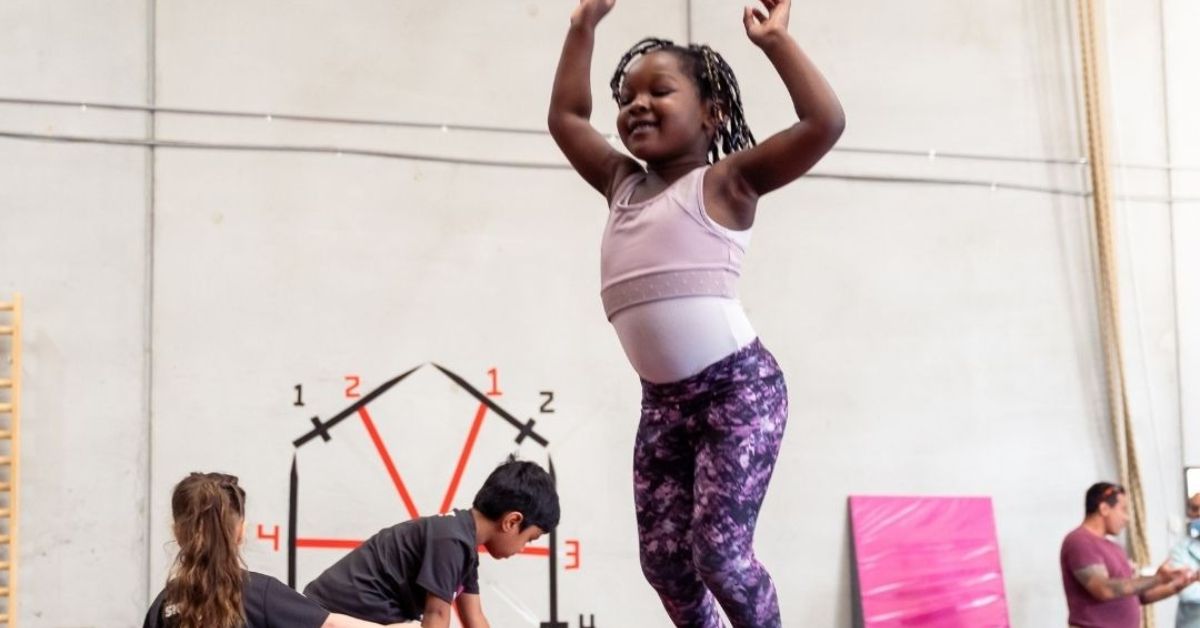
Every new skill a child learns in Kindergym adds to their confidence. Whether it’s their first jump on a trampoline or mastering a forward roll, these achievements make kids proud of themselves. Seeing that “I did it!” smile is one of the best parts of my job as an instructor.
4. Cognitive Growth
Kindergym challenges kids to think and solve problems. For example, figuring out how to climb an obstacle teaches planning and patience. These cognitive skills go hand in hand with physical development.
5. Parent-Child Bonding
Parents who join their children in Kindergym often tell me how much they enjoy the time together. Whether it’s holding your child’s hand on the beam or clapping for them as they jump, these shared moments create lasting memories.
6. Early Sports Readiness
Kindergym gives kids the skills they need for future activities. From balance to coordination, these abilities are the foundation for sports and other physical hobbies.
7. Emotional Resilience
Learning new skills can be challenging, but Kindergym teaches kids to keep trying. This builds resilience and helps them face challenges with a positive attitude.
Tips for Parents New to Kindergym
If you’re new to Kindergym, the experience can feel as exciting for you as it is for your child. Here are a few helpful tips to ensure a smooth start:
Start with a Trial Class
Most Kindergym programs offer a trial class, and it’s a fantastic way to see how your child responds. This session lets you observe the structure, activities, and how the instructors engage with children. It also gives your child a chance to experience the environment without a long-term commitment. Take this time to evaluate how well the program fits your expectations.
Dress Comfortably
Choose clothes for your child that allow for free movement. Soft, stretchy fabrics like leggings and t-shirts work best, and bare feet are often encouraged for better grip. Avoid zippers, buttons, or anything that could cause discomfort during activities. As a parent, dress comfortably too, especially if the program allows or encourages your participation.
Be Encouraging
Children thrive on encouragement, especially in new settings. Celebrate their small wins, like climbing a little higher on a structure or trying a new skill. Avoid pushing them to do something they’re not ready for; the idea is to make Kindergym a fun, positive experience.
Ask Questions
Instructors are there to guide you and your child. If you need clarification on any activity, or you’re curious about how something helps your child’s development, feel free to ask. Open communication ensures you feel confident in the program and understand its benefits.
Stick to a Routine
Consistency helps children feel more comfortable and excited about attending Kindergym. Set a routine for class days, whether that’s preparing their clothes the night before or arriving a little early to settle in. This can ease any initial nerves they might have.
Stay Patient
Every child adjusts at their own pace. Some kids may dive right in, while others might take a few classes to feel comfortable. Let your child explore the space in their way and in their own time. If they choose to watch more than participate initially, that’s okay too—it’s part of the learning process.
Join in the Fun
If the program allows for parental involvement, take the opportunity to join in. Clapping, singing along, or even helping with simple activities can make the experience even more enjoyable for your child. Your participation shows them you’re as invested in their fun and growth as they are.
Encourage Social Interaction
Kindergym is not just about physical activities; it’s also a wonderful way for children to interact with their peers. Encourage your child to share equipment, take turns, and cheer for their classmates. These moments build teamwork skills and friendships that can last beyond the gym.
Celebrate Progress
Keep an eye on your child’s development over time, whether it’s improved balance, stronger coordination, or just the confidence to try something new. Celebrate their progress with positive reinforcement, and remind them how proud you are of their efforts.
Frequently Asked Question
Do parents need to participate in Kindergym?
Parental involvement is often encouraged, especially for younger children, to help them feel comfortable and supported.
What should I bring to a Kindergym session?
Bring water, a small snack for afterward, and a spare set of clothes in case of spills or accidents.
Are there outdoor Kindergym programs?
While most are indoors, some centers offer outdoor sessions during warmer months for added variety.
Can Kindergym help shy kids?
Yes, it provides a relaxed, fun environment where shy kids can build confidence and connect with others.
Conclusion
Kindergym is so much more than just a fun activity. It’s a chance for kids to grow physically, emotionally, and socially in a supportive environment. Don’t let myths hold you back from giving your child this amazing experience. Try a class, see the joy on your child’s face, and watch them flourish.