
Written by
Gymnastics is one of those sports that leaves people in awe. We see athletes defying gravity with jaw-dropping flips, graceful routines, and sheer strength. But what we don’t often see is the hard work behind the scenes—the relentless training, the mental battles, and the physical toll. Having spent years coaching gymnasts, I can tell you that what goes into those seemingly effortless performances is a lot tougher than most people realize.
In this blog, I’ll describe gymnasts’ experiences and give you a personal insight into how hard they train to make the magic happen.
How Many Hours Do Gymnasts Train?
First things first: TIME. Gymnasts, especially those aiming for the elite level, train as much as 30 to 40 hours a week. Yep, that’s almost a full-time job. Training typically starts early in the morning and can go well into the evening. Most of the gymnasts I’ve worked with balance this heavy training load with school or jobs, making their days pretty intense.
Imagine getting up before the sun, heading to the gym for a few hours of training, then off to school, only to come back in the afternoon for more practice. This schedule demands insane discipline, and not everyone can handle it.
When I first started coaching, I was surprised by how quickly the hours add up. The dedication these athletes show is beyond impressive. I’ve had athletes training up to six hours a day, six days a week, and still giving it their all. It’s a constant grind.
What Does Gymnastics Training Actually Look Like?
Gymnastics isn’t just about repeating the same moves over and over. There’s a lot that goes into training, and each day is usually packed with different types of exercises. Here’s a breakdown of the key areas gymnasts focus on during training:
Strength and Conditioning
Gymnastics requires a crazy amount of strength, especially in the upper body and core. Gymnasts spend much time building this through exercises like pull-ups, push-ups, squats, and plenty of core work. As a coach, I’ve seen firsthand how much stronger gymnasts get over time just by consistently working on these basics.
Flexibility and Agility
Flexibility is absolutely key in gymnastics. Without it, there’s no way to pull off the flips and leaps you see in routines. Gymnasts stretch for hours every week to maintain their flexibility, and they focus on drills that improve agility, like sprints or jumping exercises. One of the hardest things for gymnasts to balance is maintaining both strength and flexibility—it’s not easy but essential for peak performance.
Mental Training
Many people are surprised to learn that gymnastics training is as much mental as it is physical. Fear and mental blocks can stop a gymnast from performing a skill, even if they’ve done it perfectly a hundred times before. Over the years, I’ve worked with athletes who were technically ready for skill but mentally needed a lot of reassurance and guidance.
Visualizing the moves, working through fears, and building confidence are part of the training. I’ve had gymnasts who freeze before trying a new skill, and it’s taken much mental coaching to help them overcome that barrier.
Breaking Down the Training: Skill-Specific Practice
When gymnasts train, they work on specific apparatuses, depending on their focus. Whether it’s the bars, the beam, or the floor, each one demands different strengths and skills.
Bars
Training on the bars is all about upper body strength and grip. Gymnasts spend hours swinging, practising release moves, and working on transitioning smoothly between bars. I’ve seen athletes devote entire sessions just to improving their bar work. It’s not unusual to see them working on the same move dozens of times in one practice.
Beam
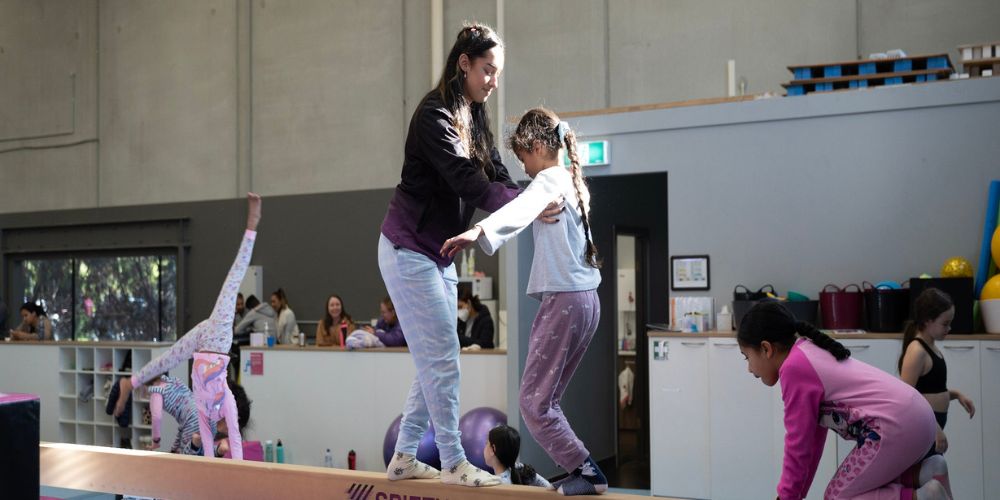
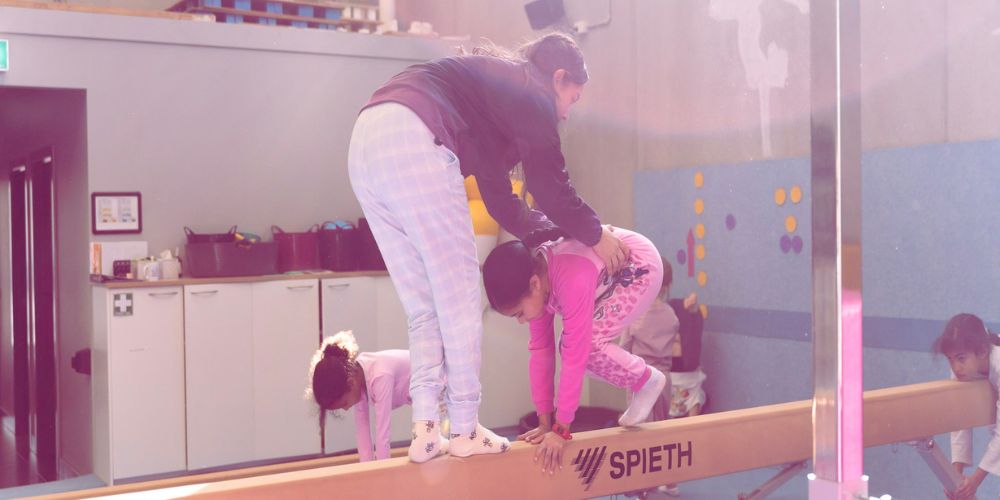
The beam requires balance, precision, and confidence. Since it is so narrow, there’s no room for error, so gymnasts drill their routines over and over. It’s not uncommon to see a gymnast practising just one element, like a turn or leap, for 30 minutes straight, trying to perfect it.
Floor
Floor routines combine tumbling, dance, and artistry. Gymnasts practice their tumbling passes repeatedly, but they also spend time on the smaller dance elements to tie everything together. I’ve seen gymnasts tweak their floor routines for months, perfecting every leap, jump, and expression.
A Typical Day in Training
To give you a better idea of what a day in the gym looks like, here’s a rundown of a typical training session for one of my athletes:
We usually start with a warm-up—a mix of cardio, stretching, and some light drills to get the muscles ready. After that, we dive into skill practice, which could be anything from working on beam routines to perfecting a tumbling pass. Each apparatus gets its time block so that athletes can focus on specific skills.
Once we’ve tackled the apparatus, we move into conditioning—this is where the strength and flexibility work comes in. We wrap up with a cool-down, which usually includes stretching and reflection on what we accomplished that day. It’s a demanding routine, but it’s what gymnasts need to stay in top shape.
The Mental and Emotional Side of Gymnastics
Training isn’t just physically exhausting—it can be emotionally draining, too. Gymnasts face much pressure, whether it’s from coaches, competitions, or even themselves. I’ve worked with athletes who get really frustrated when they can’t land a move they’ve been practising for weeks. The mental side of the sport is something that can’t be ignored.
I remember working with one athlete who was struggling to perfect a vault routine. She had nailed it in practice countless times but couldn’t stick the landing when it came to competition. She was getting discouraged, so we took a break from the routine and focused on mental exercises, like visualization and relaxation techniques. Eventually, she broke through the mental block, and seeing her land that vault was one of the most rewarding moments of my coaching career.
As a coach, helping athletes manage their emotional highs and lows is just as important as teaching them technical skills.

How Does Gymnastics Training Compare to Other Sports?
You might wonder how gymnastics stacks up against other sports when it comes to training intensity. From my experience coaching gymnasts and observing athletes from other sports, gymnastics is one of the toughest. Here’s why:
- Year-Round Training: Gymnasts don’t really have an off-season. While other sports might have breaks between seasons, gymnasts are always training, competing, or conditioning.
- Mental Pressure: In team sports, the pressure is shared, but in gymnastics, it’s all on the individual. Gymnasts have to nail their routines with the entire audience focused solely on them. That kind of solo pressure can be mentally overwhelming, and it takes much time to handle.
- Physical Demands: Gymnastics requires a unique combination of strength, flexibility, and balance. Very few sports require athletes to be strong and agile while also maintaining the elegance and fluidity of movement that gymnastics demands.
The Road to Becoming an Elite Gymnast
Reaching the top in gymnastics takes time. Most gymnasts start training when they’re as young as 4 or 5, and it can take over a decade of hard work to reach an elite level.
Gymnasts work through levels, each with increasingly difficult routines and skills. As they progress, the pressure and expectations rise. By the time they’re competing at the highest level, gymnasts are working on perfecting every tiny detail of their routines.
The journey to becoming an elite gymnast is full of setbacks, injuries, and emotional challenges. But for the athletes who stick with it, the reward of mastering a new skill or competing at a high level makes all the hard work worth it.
Supporting a Gymnast’s Journey
Gymnasts don’t get to the top on their own. It takes a strong support system, both in and out of the gym. From parents to coaches to teammates, everyone plays a role in helping a gymnast succeed.
The Role of Parents
As a coach, I’ve seen the difference supportive parents can make. The athletes whose parents encourage them without putting too much pressure on them thrive. These parents show up, cheer their children on, and help them through the tough times. At the same time, they understand that gymnastics is hard, and they allow their child to rest when needed.
Frequently Asked Questions
How many hours a day do gymnasts train?
Gymnasts often train 4 to 6 hours a day, splitting their practice into morning and evening sessions. Elite gymnasts may train up to 40 hours a week to maintain their competitive edge.
At what age do gymnasts start training?
Most gymnasts begin training as young as 4 to 6 years old. Competitive training typically starts around age 7 or 8, with higher-level athletes progressing to elite training in their early teens.
What types of workouts do gymnasts do?
Gymnasts focus on strength training, flexibility exercises, endurance conditioning, and skill-specific drills. They also practice routines on different apparatuses such as the beam, bars, vault, and floor.
Why do gymnasts train so hard?
Gymnastics requires precision, strength, and control. To perform complex skills safely and consistently, gymnasts must train extensively. Competitions also demand near-perfection, which takes countless hours of practice.
Conclusion
So, how hard do gymnasts train? The truth is that they train harder than most people can imagine. It takes countless hours of practice, mental toughness, and an incredible amount of resilience to succeed in this sport. Gymnastics is physically and emotionally demanding, but for those who are passionate about it, the rewards are huge.
Whether it’s nailing a routine or overcoming a fear, the journey is full of challenges. Still, every gymnast I’ve worked with has shown me that with hard work and dedication, anything is possible.
Gymnasts don’t just learn skills—they build character, confidence, and strength that will last them a lifetime. And that’s what makes gymnastics so much more than just a sport—it’s a way of life.

