Cartwheels are one of the most iconic moves in gymnastics, a mix of strength, flexibility, coordination, and just the right amount of courage. Whether you’re attempting your very first cartwheel or working to perfect it, there’s always room to grow and refine your skills. And let’s face it, mastering a cartwheel feels amazing, it’s like unlocking a whole new level of confidence and control in your body!
As a coach, I’ve had the privilege of guiding countless students from wobbly, hesitant attempts to seamless, showstopping cartwheels. Watching someone’s progression from the nervous first step to confidently flipping through the air is incredibly rewarding. It’s not just about the technique; it’s about helping individuals build trust in their abilities and discover their potential. A cartwheel may seem simple, but it’s a gateway to more advanced gymnastics skills, boosting your overall agility and coordination.
In this guide, I’ll share all the tips, tricks, and troubleshooting techniques you need to not only conquer a cartwheel but make it yours. Ready to turn those cartwheel dreams into reality? Let’s dive in and break it down step by step!
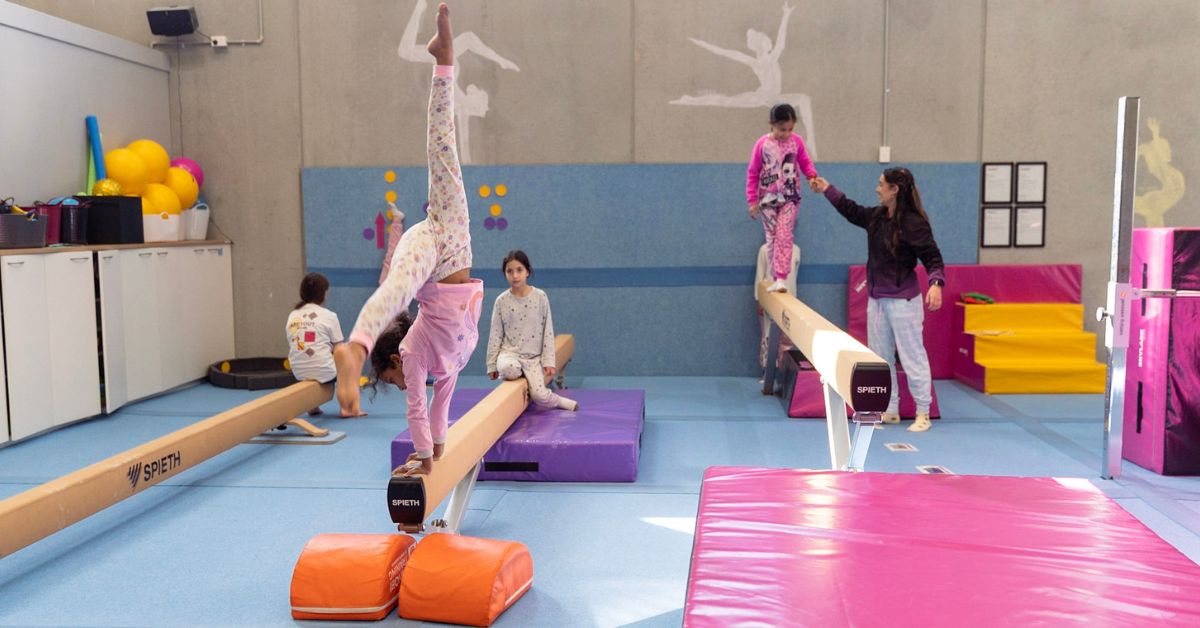
What Exactly Is a Cartwheel?
A cartwheel is a lateral movement that resembles a spinning wheel. The body transitions from a standing position to being inverted and back to standing, using the hands and feet as contact points.
Imagine drawing a large circle with your body, where your arms and legs act as spokes of a wheel. To achieve this fluid motion, you need a mix of balance, coordination, and strength. Here are the key components:
- Strong Starting Stance: The lead foot is forward, the back foot is slightly turned out, and the arms are extended overhead.
- Proper Hand Placement: Hands land shoulder-width apart, fingers pointing forward.
- Straight Legs and Pointed Toes: Adds elegance and control to your movement.
- Balanced Finish: The ending lunge position should mirror your start, showing control and stability.
Before diving into drills and practice, let’s tackle the common roadblocks that beginners face.
Why Cartwheels Matter in Gymnastics
Cartwheels are more than just a fun trick—they’re a foundational skill in gymnastics. As one of the first moves many gymnasts learn, cartwheels help set the stage for more advanced techniques and routines. They combine balance, strength, coordination, and spatial awareness, all of which are key components of gymnastics.
Cartwheels in Routines
In gymnastics routines, cartwheels often serve as transitional moves that connect more complex elements. Whether you’re performing on the floor, balance beam, or even vault, mastering a clean cartwheel demonstrates control and precision. On the balance beam, for example, a cartwheel requires even greater focus as it tests a gymnast’s ability to maintain alignment on a narrow surface.
A Gateway to Advanced Skills
Cartwheels are also a building block for more advanced gymnastics skills, such as round-offs, aerials, and handsprings. The body positioning and momentum developed during a cartwheel translate directly into these moves. Once you can consistently execute a strong cartwheel, progressing to these skills feels like a natural next step.
Strengthening Fundamental Skills
Performing cartwheels hones key fundamentals like arm strength, flexibility, and core stability. These are crucial for excelling in gymnastics overall. Gymnasts who master cartwheels gain confidence in their ability to tackle other skills that require flipping or inverted body positions.
A Confidence Booster
Beyond the technical benefits, cartwheels are an incredible confidence booster. When gymnasts see their hard work pay off through a smooth and controlled cartwheel, it motivates them to push further in their training.
So, whether you’re just starting or aiming for competition-level routines, don’t underestimate the importance of a solid cartwheel. It’s not just a move—it’s a stepping stone to becoming a more well-rounded gymnast!

Common Cartwheel Mistakes (and How to Fix Them)
Mastering a cartwheel isn’t about brute strength—it’s about technique. Here are the most common mistakes I’ve seen and how to fix them:
Misaligned Starting Position
The Mistake: Starting with uneven feet, wide arms, or a wobbly stance.
Why It Happens: Many beginners underestimate how important the setup is to the overall motion.
The Fix:
- Begin in a lunge with your dominant leg forward. Your back foot should be turned out slightly for stability.
- Arms should be straight, stretched by your ears, with fingers pointing up.
- Practice holding this position until it feels natural.
Bent Arms or Legs
The Mistake: Collapsing arms or bending knees during the motion, leading to a wobbly or incomplete cartwheel.
Why It Happens: Weak upper body strength or lack of focus on form.
The Fix:
- Work on upper body strength through push-ups, planks, and handstands.
- Incorporate flexibility exercises like lunges, splits, and hamstring stretches.
- Focus on keeping your legs straight and toes pointed during practice.
Closed Hips
The Mistake: Failing to open the hips fully makes the cartwheel feel awkward or incomplete.
Why It Happens: Fear of falling or lack of flexibility.
The Fix:
- Use a line or a piece of tape on the floor to visualize the path your body should follow.
- Practice starfish drills, where you kick your legs wide and focus on opening your hips.
- Work with a coach or spotter for guidance.
Incorrect Hand Placement
The Mistake: Hands are placed too close, too far apart, or off-centre.
Why It Happens: Beginners often struggle with spatial awareness.
The Fix:
- Mark your hand placement on the floor with chalk or tape.
- Practice “half cartwheels”, focusing solely on hand placement.
- Spread your fingers wide to create a stable base.
Rushing the Movement
The Mistake: Trying to go too fast, resulting in sloppy technique.
Why It Happens: Over-excitement or nervousness.
The Fix:
- Slow down and focus on each phase of the cartwheel.
- Break the movement into three parts: the start, the middle (inverted), and the finish.
- Practice holding each phase until you feel balanced.
Forgetting the Finish
The Mistake: Neglecting balance and posture at the end of the cartwheel.
Why It Happens: All the focus is on getting through the motion, and the ending gets overlooked.
The Fix:
- Always finish in a lunge position with arms by your ears.
- Practice freeze drills, where you hold the final pose for three seconds.
- Visualize your ending position before starting.
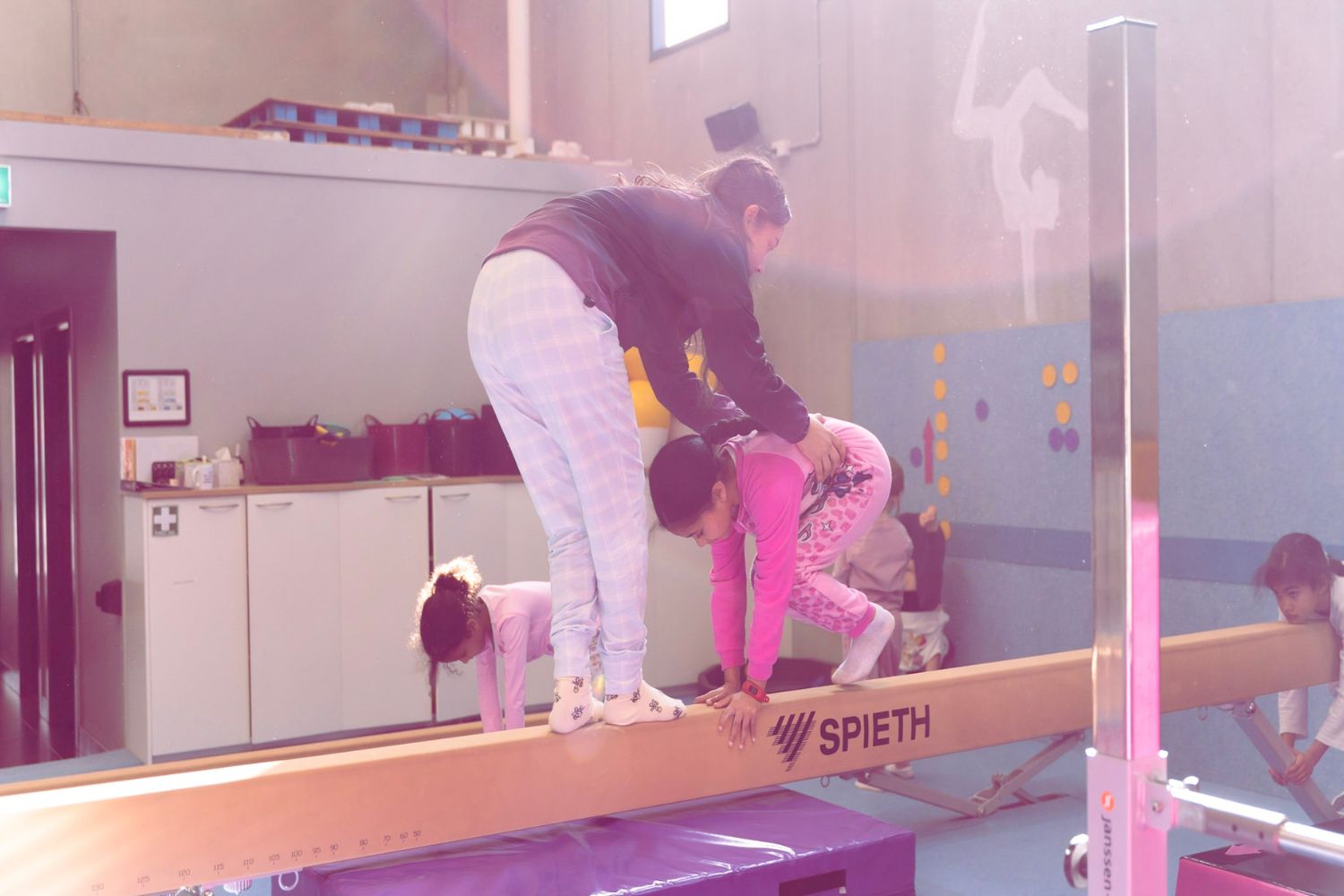
Drills to Perfect Your Cartwheel
Drills are a game-changer for mastering cartwheels. They help build strength, flexibility, and muscle memory. Here are some of my favourites:
Handstand Wall Holds
Holding a handstand against a wall is a great way to build upper body strength and practice straight arms. Focus on alignment and balance.
Starfish Drills
Start in a standing position, kick one leg up, and focus on opening your hips. This motion mimics a cartwheel.
Line Cartwheels
Place a strip of tape or chalk on the floor and practice cartwheels along this line. This will help with alignment and hand placement.
Mat-Assisted Cartwheels
Use a wedge mat to create a gentle slope. This helps beginners gain momentum and confidence.
Partner Spotting
Have a coach or friend assist by holding your hips or legs to guide you through the motion.
Strength and Flexibility Training
Incorporate lunges, splits, push-ups, and core exercises into your routine to improve overall performance.
Tips for Coaches and Parents
If you’re helping someone learn a cartwheel, keep these tips in mind:
- Encourage Confidence: Celebrate progress, no matter how small.
- Spot Safely: Use gentle guidance to correct the form without interfering too much.
- Demonstrate: Show them the move step-by-step or use videos for reference.
- Create a Safe Space: Use mats and clear the area of obstacles.
- Break It Down: Teach one phase at a time to avoid overwhelming them.
- Stay Patient: Learning takes time and practice.
How Long Does It Take to Learn a Cartwheel?
The time it takes to learn a cartwheel varies depending on factors like age, fitness level, and frequency of practice. For most beginners, consistent practice for 15-30 minutes a day can lead to significant progress within a few weeks.
Remember, it’s not a race. Everyone progresses at their own pace, and persistence pays off.
What Comes After a Cartwheel?
Once you’ve nailed the cartwheel, you can explore more advanced moves:
- One-Handed Cartwheel: Build strength and balance by using just one hand.
- Round-Offs: A variation that adds power and sets up tumbling sequences.
- Aerials: A no-hands cartwheel that requires significant strength and flexibility.
- Handsprings: Combining momentum with upper body strength.
Each progression builds on the skills you’ve developed with cartwheels, so mastering the basics is crucial.
Frequently Asked Questions
Can adults learn cartwheels?
Yes! It’s never too late. Adults may need to focus more on strength and flexibility, but it’s achievable with practice.
Do you need to be flexible to do a cartwheel?
Flexibility helps, especially in the legs and hips, but it’s not mandatory. Stretching regularly will improve your form.
How do I overcome the fear of falling?
Start with drills like wall-supported handstands and mat-assisted cartwheels. Gradually build confidence by practising in a safe, cushioned environment.
What if I’m left-handed?
Cartwheels can be performed on either side. Experiment to find your dominant leg and hand preference.
How can I make my cartwheel look more polished?
Focus on straight legs, pointed toes, and smooth transitions between phases.
Final Thoughts
Cartwheels are more than just a gymnastics skill—they’re a symbol of strength, coordination, and confidence. By focusing on proper technique, avoiding common mistakes, and practising regularly, you can master this timeless move. Remember, progress takes time, and every wobbly attempt gets you closer to success.
So, clear some space, grab a mat and start practising. You’ve got this—happy cartwheeling!