Competitive acrobatics is a beautiful and challenging sport that combines strength, flexibility, and precision. But with its complexity, it’s easy to make mistakes—especially for those who are just starting or moving up in the competitive ranks.
As a coach, this is something that we all hate seeing because it often leads to frustration and setbacks for the athletes. However, mistakes are part of the learning process, and they offer valuable opportunities for growth and improvement. The key is to identify common pitfalls early on and address them with targeted practice and guidance.
Whether it’s incorrect technique, lack of coordination, or mental blocks, understanding these common mistakes can make a significant difference in a competitor’s progress. The goal isn’t just to avoid errors but to build confidence and mastery through proper training. Let me break down some of the most frequent mistakes I see in competitive acrobatics and offer practical tips to help athletes overcome them. From perfecting form to improving consistency under pressure, these insights aim to set both newcomers and seasoned competitors on the path to success.
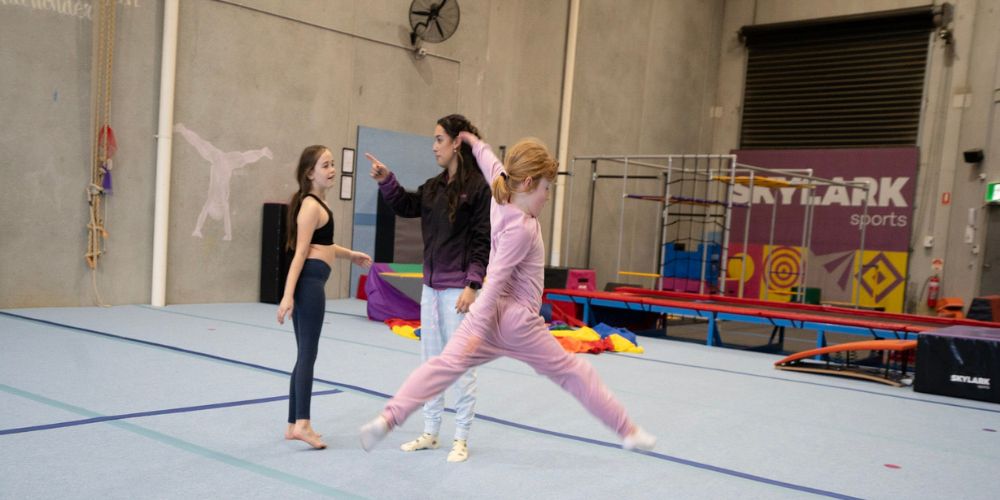
1. Training Mistakes
Training mistakes are a common hurdle for many athletes in competitive acrobatics, but they can be avoided with the right approach and mindset. These errors often stem from rushing to advance skills, improper warm-ups, or not focusing enough on foundational techniques. Addressing these issues early can make all the difference in long-term performance and safety.
Overtraining: Finding the Balance Between Practice and Rest
Overtraining is a common issue I see with athletes who are eager to improve quickly. While dedication is great, it’s important to remember that more isn’t always better. I’ve seen young acrobats push themselves too hard, leading to exhaustion, decreased performance, and sometimes even injury. It’s crucial to balance intense training with adequate rest. Your muscles need time to recover to perform at their best, and so does your mind. A well-structured training schedule includes regular breaks and rest days. Trust me, taking a day off won’t set you back—it’ll actually help you progress faster.
Neglecting Warm-ups and Cool-downs
I can’t stress enough how essential proper warm-ups and cool-downs are. Skipping these steps is one of the biggest training mistakes that can lead to unnecessary injuries. A good warm-up gets your muscles ready for action and helps you mentally transition into “performance mode.” My favourite warm-up routine includes dynamic stretches like leg swings, shoulder rolls, and core activations, followed by light aerobic exercises. Cooling down with stretches at the end of practice reduces muscle soreness and speeds up recovery, allowing you to bounce back stronger the next day.
Skipping Strength and Flexibility Conditioning
Some athletes focus only on routines and forget the importance of strength and flexibility training. Without a solid foundation in these areas, it’s easy to get injured or fail to execute advanced moves. I’ve had athletes come to me frustrated because they couldn’t nail a skill, only to find they lacked the core strength or flexibility needed. Incorporating conditioning exercises like planks, hollow holds, and resistance bandwork will make a world of difference. Flexibility drills, such as active stretching and PNF stretching, are crucial for achieving those perfect lines and splits.
2. Technique Mistakes
Technique mistakes are among the most frequent challenges in competitive acrobatics. These errors usually involve poor form, incorrect alignment, or inefficient movement patterns. Even small technical flaws can impact performance and lead to injury if not corrected. Consistent focus on mastering the basics, refining form, and practicing under the watchful eye of a coach can help athletes avoid these pitfalls and execute routines with greater precision and grace.
Poor Body Alignment and Posture
Proper alignment is the bedrock of acrobatics. If your body isn’t aligned, your moves won’t look clean, and you’ll be more prone to injuries. A common mistake I notice is arching the back or not engaging the core fully during routines. A trick I use with my students is to practice in front of a mirror or record themselves. This way, they can see if they’re hitting the right positions. Core engagement exercises like hollow body hold can help build the strength needed to maintain perfect alignment.
Incorrect Landing Techniques
Landing might seem like the easy part, but it’s actually one of the most common places where mistakes happen. I’ve seen athletes lose valuable points—or worse, get hurt—because they didn’t land properly. A correct landing involves bending your knees slightly, keeping your feet shoulder-width apart, and absorbing the impact with your muscles, not your joints. One exercise that has proven effective is practising landings from different heights, focusing on proper technique and balance each time.
Timing and Synchronization Errors in Partner or Group Performances
In partner or group acrobatics, timing is everything. Even a split-second delay can throw off an entire routine. I remember working with a group that struggled to sync up their movements; they needed to be more on timing and communication. Drills that emphasize timing, like clapping together in sync or practising slow-motion routines, help tremendously. Make it a habit to review and practice each movement until everyone is perfectly synchronized.

3. Mental Preparation Mistakes
Mental preparation is just as crucial as physical training in competitive acrobatics, yet it’s an area where many athletes stumble. Common mistakes include negative self-talk, lack of focus, or letting nerves take over during crucial moments. Overcoming these mental barriers requires building confidence, practicing visualization techniques, and learning to manage stress effectively. A strong mindset can be the difference between a flawless routine and a performance marred by hesitation. Prioritizing mental strength training is key to consistent success in the sport.
Underestimating the Importance of Mental Training
Competitive acrobatics isn’t just about physical skill—it’s a mental game as well. I’ve seen incredibly talented athletes underperform because they neglected mental preparation. Building mental resilience is crucial for handling the pressure of competition. Techniques like visualization, deep breathing, and positive self-talk can make a huge difference. One method I recommend is to mentally run through the entire routine in a quiet space before actually performing it—this helps athletes feel more confident and focused.
Overthinking During Performances
It’s easy to fall into the trap of overthinking when you’re in front of judges. I’ve had students who knew their routines perfectly during practice, only to second-guess every move during competition. The key is learning to trust your training. A simple way to combat overthinking is to develop a pre-performance ritual—whether it’s a deep breath, a handshake with your coach, or a quick stretch—something that tells your mind it’s go-time. This small ritual helps switch off the overactive thoughts.
Neglecting Visualization Techniques
Visualization is a powerful tool that many athletes overlook. I encourage my students to visualize not only the moves but also the emotions and environment of the competition. This mental rehearsal creates a sense of familiarity and reduces anxiety on the actual day. A great practice is to sit quietly for a few minutes each day, close your eyes, and go through your entire routine as if you were on stage—focus on every detail, from the music to the applause.
4. Competition Day Mistakes
Competition day can bring a unique set of challenges, leading to mistakes that could have been avoided. It’s essential to stick to a familiar routine, stay hydrated, and maintain a positive mindset to ensure the hard work in training translates into a strong performance on the big day.
Inadequate Pre-Competition Nutrition and Hydration
Nutrition can make or break your performance on competition day. I’ve seen athletes run out of energy halfway through because they didn’t fuel properly. Eating a balanced meal with complex carbs, lean protein, and healthy fats about 2-3 hours before competing is ideal. Hydration is just as important—drink plenty of water the day before and sip water leading up to the event. Avoid heavy meals right before performing; they can make you feel sluggish and unfocused.
Poor Warm-up on Competition Day
Warming up on competition day is different from practice—it’s about priming your body for peak performance without tiring yourself out. A mistake I often see is athletes either skipping warm-ups out of nervousness or overdoing them and ending up exhausted. A proper competition warm-up should include light stretching, mobility drills, and a few practice skills to get your body in gear. Keep it concise but effective—save your full energy for the performance.
Lack of Attention to Competition Rules and Regulations
Nothing is more disappointing than losing points or getting disqualified for not following competition guidelines. I always emphasize reading the rulebook carefully before an event—understanding what’s allowed and what isn’t can make a huge difference. I once coached a group that didn’t realize a particular costume choice could result in a deduction; fortunately, we caught it in time. Always double-check the competition guidelines to avoid unnecessary mistakes.
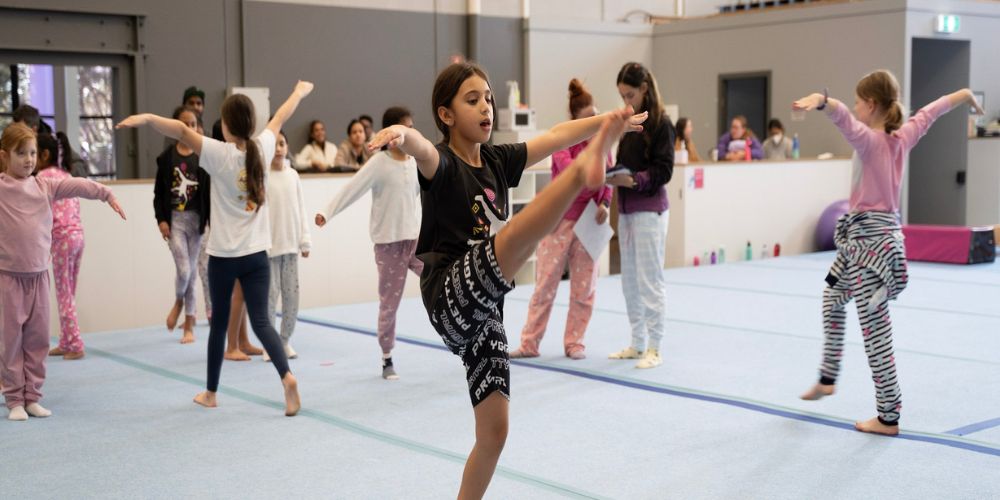
5. Recovery Mistakes
Recovery is a vital part of any training regimen, yet it’s often overlooked in competitive acrobatics. Common recovery mistakes include inadequate rest, skipping proper cooldowns, or neglecting to stretch post-training. These errors can lead to fatigue, muscle tightness, or even injuries, hindering future progress. Effective recovery involves giving the body enough time to heal, focusing on gentle stretching, and incorporating practices like foam rolling or massage. Prioritizing recovery not only boosts performance but also extends an athlete’s career by keeping the body in peak condition.
Ignoring Post-Competition Recovery
Recovery is just as important as training. After a competition, it’s tempting to either go straight into hard training or skip recovery altogether. I always recommend taking a day or two for active recovery—light stretching, foam rolling, or a gentle swim can help the body heal. One mistake I see is athletes not getting enough sleep post-competition. Sleep is when your body does most of its repairing, so make sure you prioritize rest during the recovery phases.
Not Addressing Minor Injuries Early
It’s common for athletes to brush off minor aches and pains, but ignoring them can lead to more significant injuries down the road. I had a student who ignored a slight ankle pain, which eventually turned into a more severe injury, sidelining them for weeks. If something doesn’t feel right, don’t hesitate to address it—use ice, compression, and rest for minor discomfort, and consult a professional if it doesn’t improve. Early intervention can save you from more significant setbacks.
Practical Tips to Avoid Common Mistakes
When it comes to competitive acrobatics, avoiding common mistakes can make a huge difference in your progress. It’s not just about practicing more; it’s about practicing smarter.
Here are a few tips I’ve found helpful over the years, both as a coach and a gymnast. These pointers will help you stay on track and build strong habits that lead to long-term success.
- Create a balanced training schedule with rest days—your body needs time to recover.
- Always prioritize warm-ups and cool-downs to help prevent injuries and keep your muscles healthy.
- Don’t skip strength and flexibility exercises—they’re essential for mastering tough moves.
- Film yourself during practice to check your posture and alignment; it’s a great way to catch areas for improvement.
- Develop a mental prep routine to handle competition nerves and keep you focused.
- Stay well-hydrated and eat a balanced meal before any big event to fuel your performance.
- Learn the rules inside and out—they’re just as important as nailing the skills.
- Take recovery time seriously to stay healthy and perform at your best over the long run.
Frequently Asked Questions
What’s the best way to deal with pre-competition nerves?
Practice deep breathing techniques, visualize a successful performance, and remember that nerves are normal—they show you care about doing well!
How often should I cross-train outside of regular acrobatics practice?
Incorporate cross-training 1-2 times a week with activities like strength training, flexibility exercises, or cardio to build overall fitness without overloading.
How do I maintain a balanced diet for peak performance?
Focus on a balanced mix of lean proteins, whole grains, fruits, and vegetables. Stay hydrated, and consider consulting a nutritionist for a plan tailored to your needs.
What should I do if I feel burnt out from training?
Take a step back and rest. To reignite your passion, consider reducing training intensity for a while or exploring fun, low-pressure activities within the sport.
Conclusion
Competitive acrobatics is a journey that demands dedication, focus, and a commitment to learning from mistakes. By avoiding the common pitfalls I’ve outlined, you’ll be on a smoother path to success. Remember, every athlete faces challenges—what matters is how you handle them. Keep pushing yourself to improve, but also be patient with your progress. Success in acrobatics isn’t about being perfect from the start; it’s about steady growth and learning from every setback.