
Why Gymnastics Is One of the Hardest Sports in the World
Written by
As someone who’s spent years coaching gymnasts of all ages and abilities, I’ve had a front-row seat to just how demanding this sport really is. From the outside, gymnastics can look like a performance filled with elegance and ease, but anyone who’s ever set foot on a beam, tried to hold a handstand, or landed a vault knows the truth. Gymnastics is relentless. It pushes you physically, mentally and emotionally, often all at once. In this article, I’ll walk you through exactly why gymnastics stands apart as one of the hardest sports in the world—using real data, scientific research and years of hands-on experience.
What Makes a Sport “Hard”?
Let’s start by looking at what makes any sport difficult. ESPN once ranked 60 sports based on ten different skill categories: endurance, strength, power, speed, agility, flexibility, nerve, durability, hand-eye coordination, and analytic aptitude. Each was scored out of 10, based on input from experts in sports science and coaching. While gymnastics ranked eighth overall, a closer look reveals it earned perfect or near-perfect scores in key areas: 10 in flexibility, 8.88 in strength, 8.63 in agility and 8.13 in power.
Unlike sports that specialise in just one or two physical qualities, gymnastics demands nearly all of them—and at a high level. There are very few sports where flexibility, explosive power, spatial awareness, and precision must all coexist. It’s not just about doing the splits or being strong. It’s about doing both while flipping backwards off a four-inch beam.
In my experience, young athletes are often shocked when they first join gymnastics classes and discover how many physical qualities they need to develop to perform the basics.
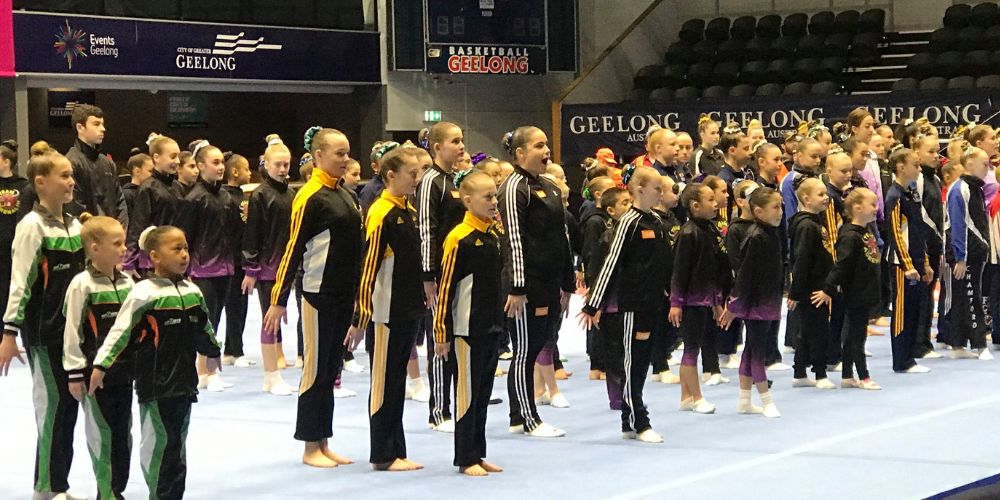
The Data Doesn’t Lie: Gymnastics by the Numbers
I’ve talked a lot from experience so far, but let’s take a look at the data that backs up all of this. Gymnastics isn’t just one of the hardest sports to coach and train for—it’s also statistically one of the most intense, physically and mentally. What I love about gymnastics is how complete it is, but what makes it so difficult is that this completeness comes at a cost. Injuries, stress, and early pressure are all part of the picture. Thankfully, there’s plenty of research that sheds light on just how demanding the sport really is.
Injury Rates and Physical Risk
First, let’s talk injuries—because they’re a big part of what makes gymnastics so challenging.
A study published in BMJ Open Sport & Exercise Medicine found that 91.4% of elite female gymnasts experienced at least one injury per season, with an average of 2.6 injuries per athlete. Think about that for a second—almost every gymnast gets hurt, and not just once. (Read the full study here)
Mass General Brigham reported that gymnastics actually has a higher injury rate than football at the collegiate level. And this isn’t just bumps and bruises—common injuries include fractures, sprains, and overuse injuries like stress reactions in the spine and wrists. (More on this here)
As a coach, injury prevention is one of our top priorities in every session. We structure conditioning and skill progressions carefully, but when athletes do flips, vaults, and dismounts multiple times a week, the risk is always there. This risk factor alone puts gymnastics in a league of its own.
Early Specialisation and Training Volume
Another key aspect of gymnastics that makes it unique is the early age of specialisation. Unlike many sports, where athletes can explore a range of activities into their teens, gymnastics demands focus much earlier.
According to a webinar hosted by USA Gymnastics, many elite gymnasts begin specialising before the age of six, with the average age of specialisation for NCAA gymnasts being just eight years old. (Webinar source)
A study published on PubMed Central highlights that early specialisation is linked to increased injury risk, as well as potential burnout and mental health challenges later on. (Read the study)
From a practical standpoint, this means many gymnasts are training 20+ hours a week by the time they’re in primary school. I’ve worked with kids as young as seven doing strength work, mobility, and skills that require adult-level body awareness. That kind of intensity is rare in any other youth sport.
The Mental Game: Performance Under Pressure
We also must consider the mental load. Gymnastics isn’t just physically demanding—it requires an incredible level of focus, resilience, and nerve.
According to USA Gymnastics’ Mental Health and Sport Psychology toolkit, gymnasts must learn to manage fear, stay focused under pressure, and build confidence in high-stakes environments. (Explore the toolkit)
The concept of “mental toughness” is so important that USA Gymnastics has published a dedicated guide on it. It explores how gymnasts can train their mindset, not just their muscles. (Mental toughness manual)
And this isn’t theoretical—many of us saw the world react in 2021 when Simone Biles pulled out of multiple Olympic events due to mental blocks known as “the twisties”. If the most decorated gymnast in the world can experience that kind of mental pressure, you can only imagine what young athletes face day to day.

Gymnastics vs. Other Difficult Sports
If you go online and read forum discussions—like those on Reddit’s r/changemyview or r/unpopularopinion—you’ll find hundreds of people debating what the hardest sport really is. Some argue for boxing or MMA due to the physical brutality. Others say swimming for its intensity or football for its endurance.
But even athletes from other sports often agree: gymnastics stands out because it combines everything. You need the strength of a weightlifter, the grace of a dancer, the awareness of a pilot, and the mental toughness of a chess player.
What makes gymnastics even more unusual is the level of performance expected at such young ages. While footballers and swimmers might peak in their twenties or thirties, many elite gymnasts reach their prime by 16 or 17. That compressed timeline makes every stage of development more intense.
Community Consensus: What the Internet Says
Beyond the formal research, I also spent time looking at what the wider community says about gymnastics and its difficulty. Reddit is full of interesting conversations from people in and outside the sport. These threads offer a glimpse into how the general public and other athletes perceive gymnastics.
In a highly engaged discussion on Reddit, users argued that gymnastics is harder than most sports because of the constant risk of failure. One comment summed it up perfectly: “Unlike so many sports, when gymnasts fail, they don’t just get tackled or miss a goal—they risk a serious crash landing.”
Another discussion on Reddit debated how gymnastics requires more skill diversity than other sports. Posters highlighted the need for simultaneous strength, grace, flexibility, and fearlessness—all before you hit your teens.
As a coach, I found it interesting how many people outside of gymnastics recognise its difficulty. This shows that the sport is not just physically elite—it’s also widely respected, even by those who have never done it.
What This Means for Kids in Gymnastics Training
So, what does all this mean if you’re thinking about enrolling your child in gymnastics? Should the difficulty of the sport scare you off? Absolutely not. In fact, it’s one of the best reasons to give it a go.
Here’s the thing. The very qualities that make gymnastics hard are also what make it so beneficial. Kids who train in gymnastics build incredible physical literacy. They develop strength, coordination, balance and flexibility in a way that lays the foundation for all other sports. I’ve seen children who later switched to football, swimming or martial arts and excelled—because gymnastics gave them a head start.
Just as importantly, gymnastics teaches life skills. Children learn how to face challenges, deal with setbacks, and overcome their fears. They learn how to set goals and how to stay focused. And they build confidence in their abilities, one small achievement at a time.
At our club, we structure training so that it challenges kids without overwhelming them. We want them to love movement, feel proud of learning new skills, and develop a deep, lasting respect for what their bodies can do. Whether they’re training for competition or just for fun, gymnastics gives them something valuable.

Evolution of Gymnastics: Why It’s Harder Than Ever
Gymnastics isn’t just hard—it’s getting harder. Over the past few decades, the level of difficulty in routines has skyrocketed. Skills that once earned a gold medal are now considered standard. Equipment has improved, yes, but so have expectations.
A great example of this is Simone Biles. Her routines have pushed the boundaries of what’s even possible. She’s performed moves so difficult that the sport’s governing body had to reconsider how to score them. Some argued that rewarding her too highly would encourage others to take on dangerous risks.
That debate tells you everything you need to know. Gymnastics has evolved so quickly that even the scoring system struggles to keep up.
Final Verdict: Is Gymnastics the Hardest Sport?
So, is gymnastics the hardest sport in the world? I won’t say that definitively—it depends on how you define difficulty. But what I will say is this: gymnastics is arguably the most complete sport. It tests every part of you—mind and body. It demands strength, power, agility, flexibility, and mental toughness. It requires years of training, incredible discipline, and the courage to perform under pressure.
No other sport, in my experience, asks so much from its athletes so early in life.
Frequently Asked Questions
Is boys’ gymnastics as challenging as girls’ gymnastics?
Yes, both are equally demanding—though routines and apparatuses differ, the strength, precision, and training intensity are comparable.
How often should a child train if they want to compete?
For competitive levels, most kids train 3–5 days a week, ranging from 9 to 20 hours or more, depending on their age and level.
Can gymnastics stunt a child’s growth?
There is no strong evidence that it stunts growth. Genetics play a bigger role, though intense training may delay growth spurts slightly.
What should parents look for in a quality gymnastics program?
Look for certified coaches, structured progressions, emphasis on safety, and a supportive, child-focused training environment.
Conclusion
Gymnastics may be beautiful to watch, but behind every elegant routine is an athlete who has trained relentlessly—physically, mentally, and emotionally. It’s one of the most demanding sports in existence, not just because of the skills involved but also because of the commitment it requires from such a young age.
That’s exactly why it’s such a powerful sport for kids to start with. It sets them up not just for success in sports but also for resilience in life.
If you’re considering enrolling your child in gymnastics, know this—it won’t always be easy, but it will be worth it. The lessons they learn in the gym will stay with them for life.

