If you’ve ever watched someone flip, twist, or balance on stage or in a competition, you might have thought: “Wow, that’s amazing! But wait—are they an acrobat or a gymnast?” Both acrobatics and gymnastics are all about jaw-dropping physical feats, but did you know they’re actually two different disciplines? Let’s break it down together!
At first glance, they might look similar—both require incredible strength, flexibility, and coordination. But here’s the fun part: their goals and settings are often worlds apart. Gymnastics is all about structured routines performed in competitions with strict rules—judges score routines based on difficulty, execution, and artistry. Acrobatics, on the other hand, thrives in live entertainment settings, like circus acts or theatrical shows, where creativity and wowing the audience are top priorities.
Understanding what sets acrobatics and gymnastics apart makes it even more exciting to watch and admire them. In this blog, we’ll dive into the unique training, performance styles, and career paths of acrobats and gymnasts. Whether you’re curious about trying one of these disciplines yourself or just want to learn more, this guide will inspire and amaze you. Let’s jump in!

Understanding Acrobatics and Gymnastics
What is Acrobatics?
Acrobatics is a dynamic and captivating discipline that focuses on strength, flexibility, balance, and coordination. It often involves jaw-dropping stunts like handstands, flips, and partner lifts, frequently performed in live entertainment settings. From awe-inspiring circus acts to thrilling theatrical performances, acrobats use their bodies to tell stories, defy gravity, and leave audiences amazed. Creativity and artistry are at the heart of acrobatics, with performers often incorporating props, music, and costumes to enhance their routines.
What is Gymnastics?
Gymnastics is a highly structured sport that combines technical skill, precision, and elegance. It includes various disciplines like artistic gymnastics, rhythmic gymnastics, and trampoline. Gymnasts train extensively to master routines on apparatus like the balance beam, uneven bars, rings, and floor. Competitions are the primary stage for gymnasts to showcase their abilities, with judges scoring routines based on difficulty, execution, and presentation. Gymnastics emphasizes discipline and athleticism, making it a favourite in the Olympic Games and a source of inspiration for athletes worldwide.
Key Differences Between Acrobatics and Gymnastics
While acrobatics and gymnastics share some similarities, such as impressive physical feats and artistic expression, they differ in several ways. Here’s a closer look at what sets them apart:
1. Performance Settings
Acrobatics often takes place in live entertainment settings, like circuses, theatrical productions, or street performances. Gymnastics, on the other hand, is primarily seen in competitive environments such as the Olympics or regional competitions.
2. Focus on Teams vs. Individual
Acrobatics frequently involves group performances, with participants working together to create dynamic shapes and movements. Gymnastics tends to emphasize individual routines, although there are team competitions where each athlete contributes their scores.
3. Apparatus vs. Props
Gymnasts perform on specialized apparatuses like the balance beam, uneven bars, or rings. Acrobats might use props like hoops, poles, or even no equipment at all, relying on their body’s strength and flexibility.
4. Choreography and Style
Acrobatics often leans towards artistic storytelling and entertainment, incorporating dramatic choreography. Gymnastics, while artistic in its way, is more focused on technical precision and scoring.

Similarities Between Acrobatics and Gymnastics
Despite their differences, acrobatics and gymnastics share many qualities that make them both exciting and inspiring disciplines. Here’s a look at their key similarities:
1. Strength, Flexibility, and Balance
Both acrobats and gymnasts require exceptional physical conditioning. They need core strength for stability, flexibility for smooth movements, and balance to execute complex skills with precision.
2. Precision and Coordination
Whether performing a backflip on stage or a balance beam, both disciplines demand perfect timing and coordination. Every movement must be controlled to ensure safety and flawless execution.
3. Dedication and Practice
Mastering the skills of acrobatics and gymnastics requires hours of rigorous training. Athletes in both fields spend years honing their techniques and building the endurance needed to perform at a high level.
4. Artistic Expression
Both acrobatics and gymnastics use movement to tell a story or convey emotion. Gymnasts display artistry through choreographed routines, while acrobats captivate audiences with theatrical and imaginative performances.
5. Audience Awe
At their core, both acrobatics and gymnastics aim to leave viewers amazed. Whether it’s a crowd cheering at a circus or fans applauding at a gymnastics meet, these disciplines share the power to inspire and entertain.
Choosing the Right Path: Acrobatics or Gymnastics?
I often help families decide whether acrobatics or gymnastics is the right fit for their child. Both are fantastic options for building strength, coordination, and confidence, but the best choice depends on your child’s interests and personality. Let’s dive into the factors that can guide your decision!
1. Structure and Progression in Gymnastics
Gymnastics offers a clear and structured approach to learning. Children progress through skills like forward rolls, handstands, and backflips, eventually mastering advanced moves. The sport also provides the opportunity to train on various apparatuses, including vault, bars, beam, and floor, keeping the experience fresh and exciting.
2. Teamwork and Creativity in Acrobatics
Acrobatics emphasizes teamwork. Children often work with partners or groups to perform breathtaking routines. These routines involve lifts, balances, and dynamic movements, fostering trust and collaboration. Acrobatics also encourages creativity through artistic choreography and storytelling.
3. Competition vs. Performance
Gymnastics is typically more competitive, offering opportunities to compete individually or in teams at various levels. Acrobatics leans towards performance, focusing on entertaining audiences through visually stunning routines, whether in a circus, stage production, or showcase.
4. Versatility of Movements
Gymnastics provides a variety of skills across multiple apparatuses, which helps develop a well-rounded athletic foundation. Acrobatics focuses on dynamic group movements like human pyramids, intricate partner balances, and synchronized choreography, offering a different kind of challenge.
5. Confidence and Stage Presence
Both disciplines build confidence, but in different ways:
- Gymnastics boosts self-esteem through individual achievements and competition success.
- Acrobatics fosters stage presence and comfort in performing in front of audiences, making it great for children who love being in the spotlight.
6. Injury Risk and Safety Measures
Gymnastics involves high-impact skills, particularly on vaults and tumbling passes, which increases the need for proper technique and safety measures. Acrobatics, while also demanding, requires careful coordination between team members to ensure everyone stays safe during partner stunts and balances.
7. Community and Social Bonds
Both sports offer opportunities to build friendships, but the nature of the bonds differs. In gymnastics, athletes often focus on personal growth alongside teammates. Acrobatics, with its reliance on synchronized teamwork, creates deep connections as participants work closely together to achieve shared goals.
8. Pathway to Careers or Hobbies
- Gymnastics can lead to competitive careers, coaching roles, or scholarships for college programs.
- Acrobatics opens doors to performance art, circus careers, or roles in theatre productions like Cirque du Soleil.
Why Both Acrobatics and Gymnastics Matter
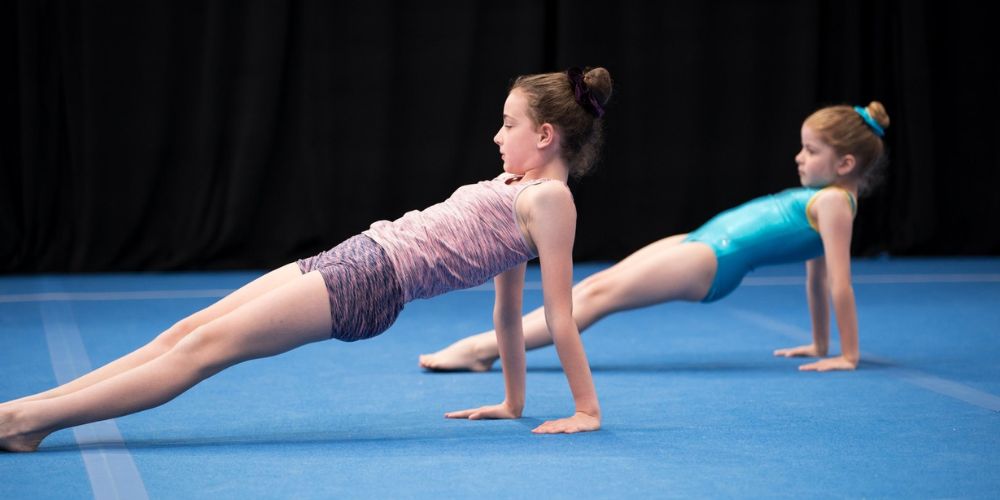
Both acrobatics and gymnastics hold immense value, offering unique benefits that go far beyond physical fitness. Whether your child chooses one or pursues both, these disciplines provide essential life skills that shape their character and future.
1. Building Physical Strength and Coordination
Acrobatics and gymnastics develop strength, flexibility, and balance. These foundational skills improve overall athletic ability, setting kids up for success in any physical activity they choose to pursue later.
2. Encouraging Discipline and Focus
Both sports demand dedication, practice, and precision. Whether perfecting a cartwheel or mastering a partner lift, athletes learn to set goals, work hard, and stay committed—traits that benefit them in school, work, and life.
3. Boosting Confidence and Self-Esteem
Overcoming challenges, whether it’s nailing a tumbling pass or performing in front of an audience, builds a sense of accomplishment. This newfound confidence can inspire kids to step out of their comfort zones and believe in their abilities.
4. Fostering Creativity and Expression
While gymnastics focuses on artistic routines and technical precision, acrobatics emphasizes storytelling and creative performances. Both provide outlets for self-expression, encouraging kids to explore their imaginative side.
5. Teaching Teamwork and Trust
Acrobatics strongly emphasizes teamwork, as athletes rely on each other for lifts, balances, and choreography. Gymnastics, while often more individual, also teaches athletes to work together during team events or to support teammates.
6. Creating Lifelong Friendships
Whether through group acro routines or shared hours in the gym, these sports foster close bonds among participants. The shared experience of training and performing builds friendships that often last a lifetime.
7. Inspiring a Lifelong Love for Movement
Both gymnastics and acrobatics introduce kids to the joy of movement. This passion often leads to lifelong healthy habits, whether they continue as athletes or coaches or simply stay active in their everyday lives.
Frequently Asked Questions
1. Can you switch from gymnastics to acrobatics or vice versa?
Yes! Many skills overlap, making it easier to transition between the two.
2. What age is best to start acrobatics or gymnastics?
Kids can start as young as 3–5 years old, focusing on basic skills and coordination.
3. Are boys encouraged to try acrobatics or gymnastics?
Absolutely! Both sports are beneficial for strength, flexibility, and athletic growth for boys and girls alike.
4. Do acrobatics or gymnastics help with other sports?
Yes, they enhance coordination, balance, and agility, which are valuable in all sports.
5. What’s the difference in practice time for each sport?
Gymnastics often involves more structured practice, while acrobatics may include longer group rehearsals for routines.
Conclusion
Both acrobatics and gymnastics are incredible disciplines that offer unique benefits and exciting opportunities for growth. Whether your child is drawn to the precision and structure of gymnastics or the creativity and teamwork of acrobatics, both paths help build strength, confidence, and lifelong skills.
It’s not just about the flips, balances, or routines—it’s about the journey of discovering one’s potential, forming lasting friendships, and developing a love for movement. As a coach at Skylark Sports, I’ve seen how these sports shape young athletes into resilient, focused, and imaginative individuals.
Encourage your child to explore their interests and try both if they’re unsure. Whichever path they choose, they’re in for an inspiring adventure that will enrich their life in countless ways. Let’s get them moving, learning, and shining!